Efficiency is a defining factor in the success of modern industrial projects. As industries face tighter deadlines, higher quality expectations, and increasing pressure to control costs, standardized solutions are often no longer enough. Companies now require tailored approaches that align precisely with their operational needs, technical specifications, and long-term goals. This is where custom metal fabrication becomes a powerful driver of efficiency, reliability, and competitive advantage.
Rather than forcing projects to adapt to off-the-shelf components, custom fabrication allows industrial teams to design and manufacture metal solutions that fit seamlessly into their processes. From structural elements and enclosures to specialized machine parts and support systems, custom fabrication ensures that every component serves a specific purpose, reducing waste, rework, and downtime.
The Role of Customization in Industrial Efficiency
Industrial environments are complex ecosystems where equipment, materials, and workflows must align perfectly. When components are poorly matched or require excessive modification during installation, productivity suffers. Custom fabrication addresses this challenge by aligning design, engineering, and production from the outset.
By tailoring metal solutions to exact project requirements, companies can:
- Eliminate unnecessary material usage
- Reduce assembly and installation time
- Improve system compatibility
- Enhance operational safety
- Extend the lifespan of equipment
This approach allows teams to focus on performance rather than constant adjustments, ensuring smoother project execution across all phases.
Why Custom Fabrication Outperforms Standardized Alternatives
Off-the-shelf metal parts are designed for general use, not for the specific demands of complex industrial systems. While they may appear cost-effective initially, they often introduce inefficiencies that lead to higher long-term expenses.
Custom fabrication, on the other hand, ensures that every dimension, tolerance, and material selection is optimized. This level of precision reduces friction during assembly and minimizes the risk of operational failure. In sectors that depend on heavy machinery, automation, or specialized infrastructure, industrial metal fabrication tailored to the application becomes a strategic advantage rather than a luxury.
Precision Engineering and Performance Gains
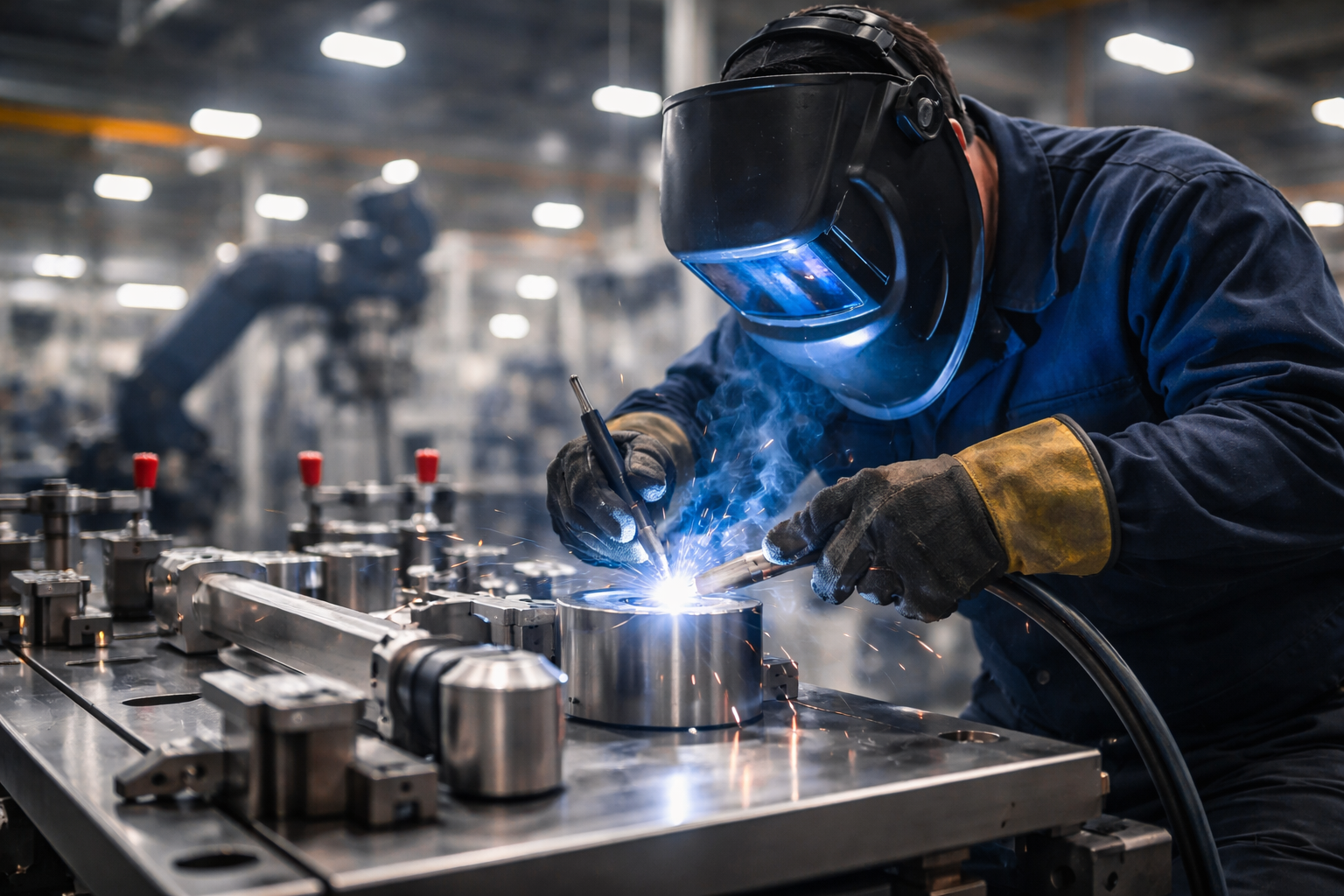
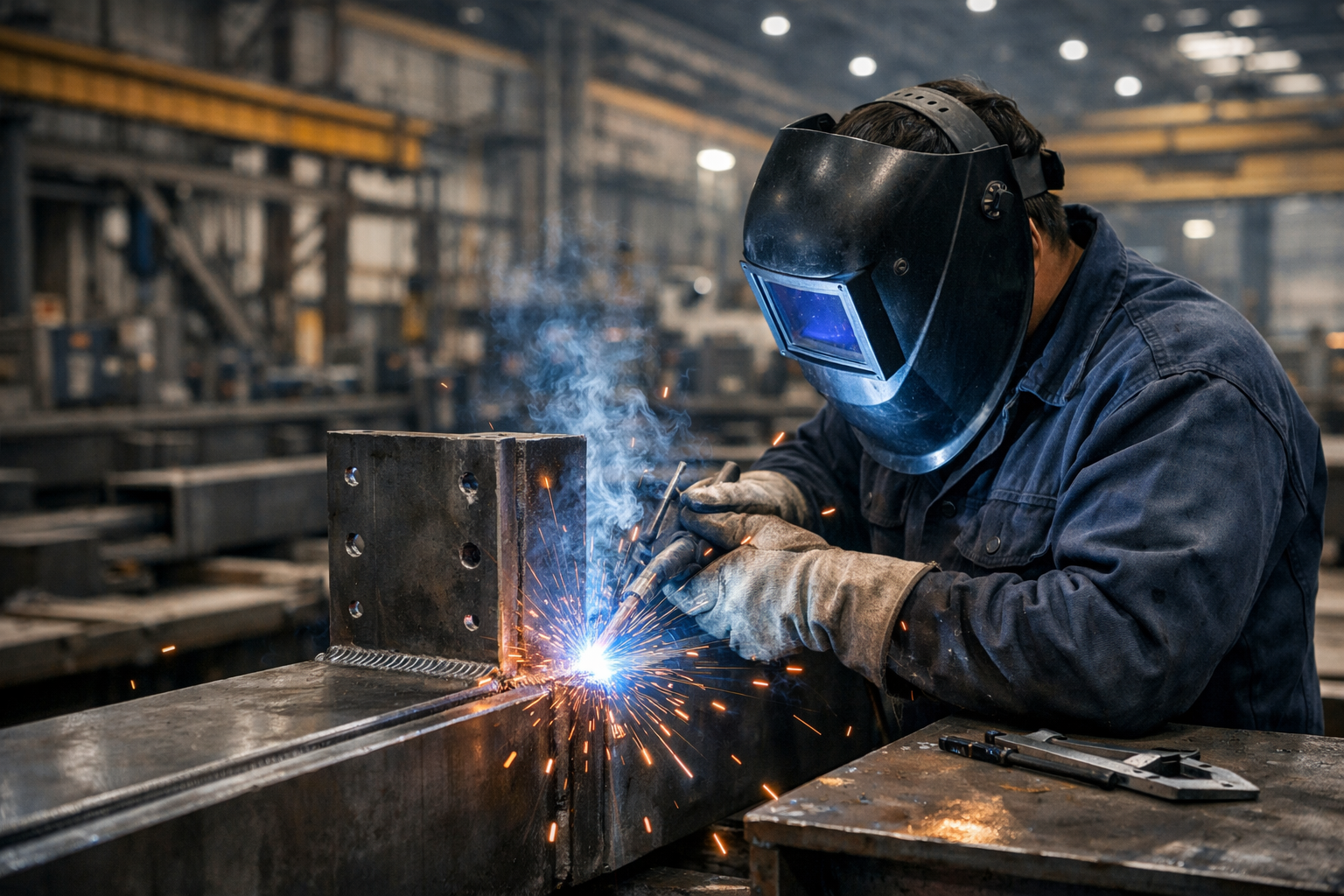
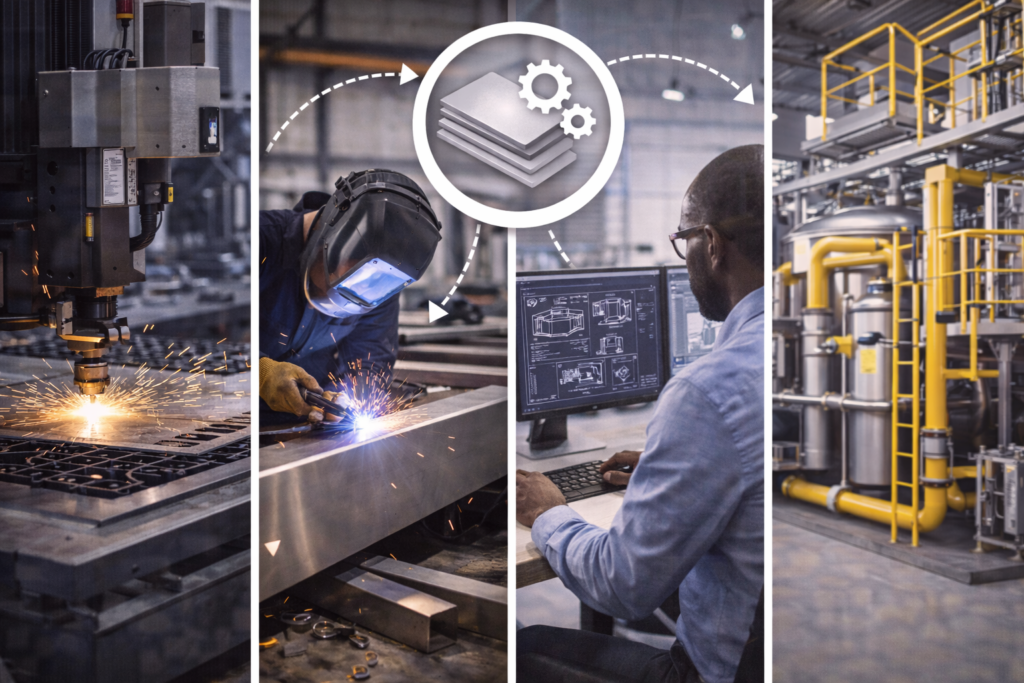
One of the most significant contributors to efficiency is accuracy. Components that are fabricated with tight tolerances perform more reliably and integrate more smoothly with surrounding systems. Advanced fabrication techniques—such as CNC cutting, laser processing, and precision welding—allow manufacturers to produce custom metal components that meet exact specifications without compromise.
This precision translates into measurable benefits:
- Improved load distribution and structural integrity
- Reduced vibration and mechanical stress
- Lower maintenance requirements
- Enhanced safety for operators and technicians
When every part is engineered with purpose, performance consistency becomes the norm rather than the exception.
Supporting Complex Manufacturing Environments
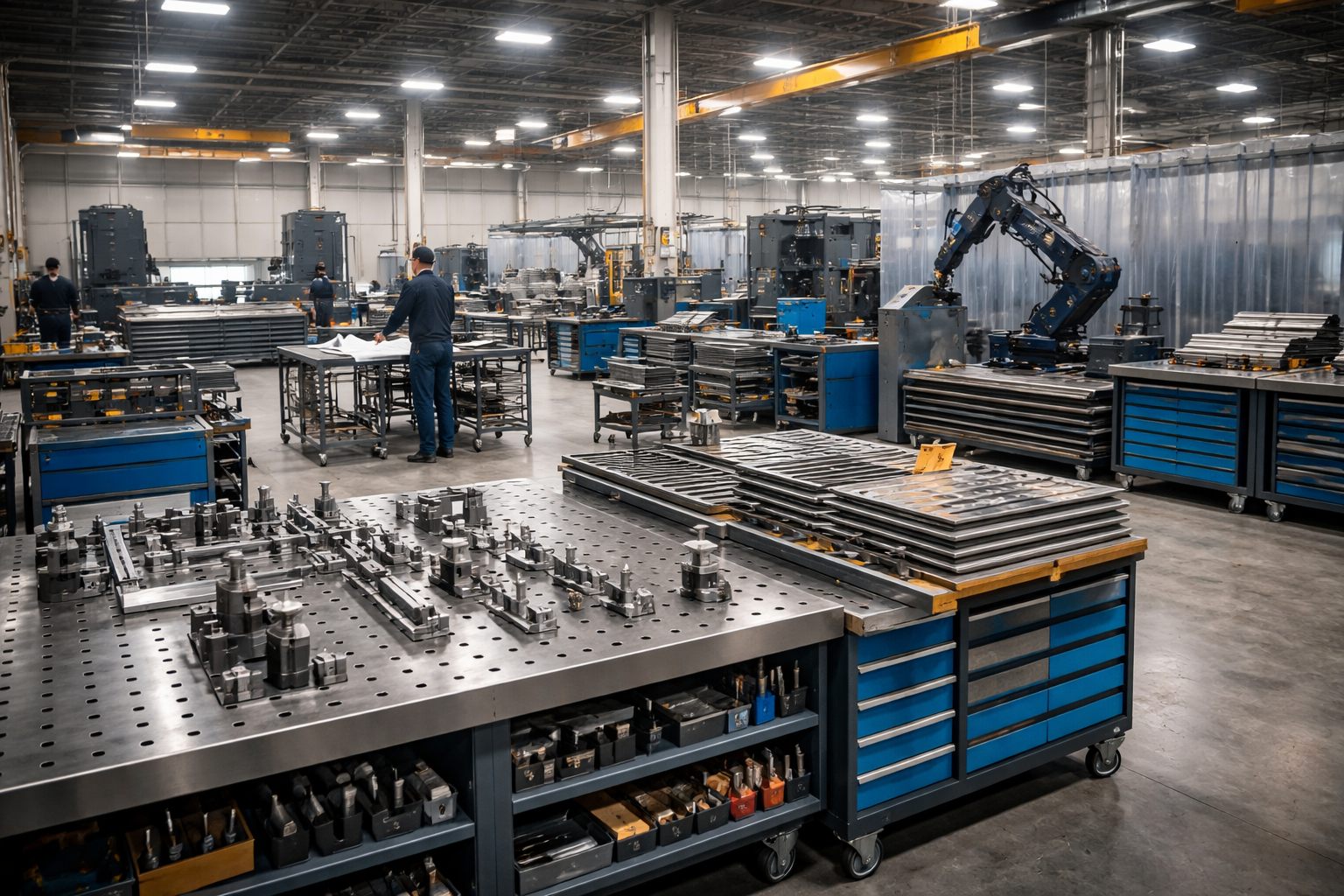
Modern industrial operations rely on interconnected systems that demand consistency and reliability. In these settings, metal components often serve as the backbone of production lines, enclosures, frames, supports, and tooling.
Through precision metal fabrication, manufacturers can create solutions that integrate seamlessly with automation systems, robotics, and advanced machinery. Custom designs allow for better cable routing, optimized airflow, and improved accessibility for maintenance—factors that significantly reduce downtime and improve overall equipment effectiveness.
Streamlining Production Through Custom Fabrication
Efficiency is not only about how equipment performs but also about how smoothly it is produced and implemented. Custom fabrication supports lean manufacturing principles by reducing unnecessary steps and minimizing material waste.
When fabrication partners work closely with engineering and production teams, designs can be optimized for manufacturability. This collaboration ensures that metal fabrication for manufacturing aligns with production goals, timelines, and capacity constraints.
Well-designed fabricated metal parts simplify assembly processes, reduce errors, and shorten lead times—critical advantages in industries where speed and accuracy determine competitiveness.
Enhancing Durability and Long-Term Value
Industrial projects are long-term investments. Components must withstand harsh environments, heavy loads, temperature fluctuations, and continuous use. Custom fabrication allows engineers to select materials and finishes specifically suited to these conditions.
By tailoring thickness, coatings, and structural reinforcement, custom metal solutions deliver:
- Increased resistance to corrosion and wear
- Greater structural stability under stress
- Longer service life
- Reduced need for frequent replacements
These durability improvements directly impact operational efficiency by minimizing disruptions and maintenance costs over time.
Improving Installation and Integration
Installation delays are a common source of inefficiency in industrial projects. Poorly fitting components often require on-site modifications, leading to project overruns and safety risks.
Custom fabrication eliminates this issue by ensuring that components arrive ready for installation. Accurate measurements, pre-drilled mounting points, and application-specific designs reduce labor requirements and installation errors. As a result, project timelines remain on track, and teams can transition more quickly from construction to operation.
This seamless integration is a defining feature of high-quality industrial fabrication solutions, especially in large-scale or technically demanding projects.
- Increasing efficiency through tailored metal solutions
- Reducing downtime with precision-engineered components
- Supporting industrial automation with custom designs
- Improving durability in demanding environments
- Streamlining installation and assembly processes
- Enhancing production flow with optimized metal parts
- Reducing waste through material-efficient fabrication
- Strengthening system reliability with custom engineering
- Supporting complex industrial infrastructure projects
- Maximizing long-term value through durable fabrication
Collaboration as a Key to Efficiency
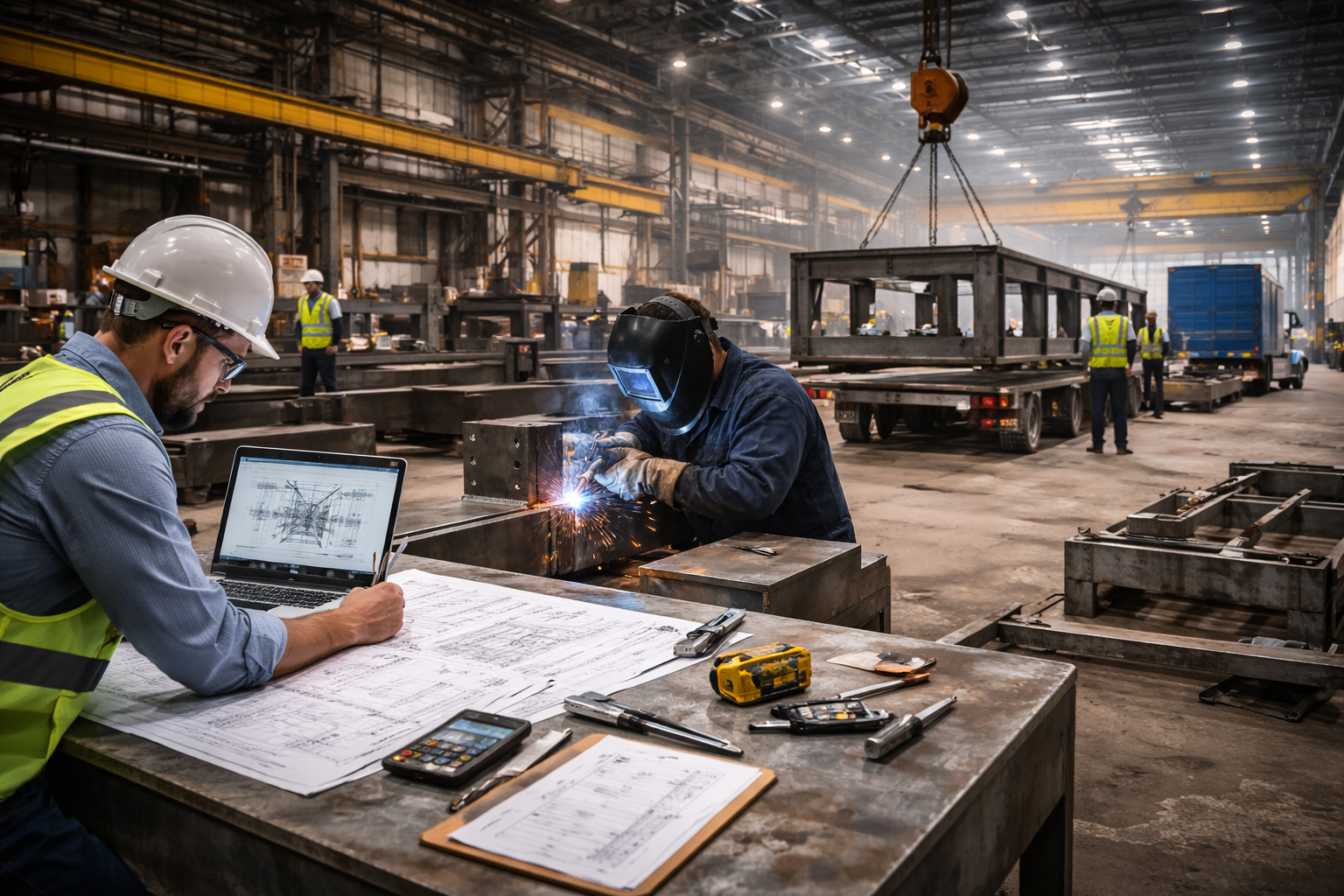
Successful custom fabrication depends on strong collaboration between manufacturers, engineers, and project managers. Early involvement of fabrication experts allows potential challenges to be addressed during the design phase, rather than during production or installation.
This collaborative approach ensures:
- Design optimization for performance and manufacturability
- Accurate cost forecasting
- Improved scheduling and coordination
- Reduced risk of rework or redesign
When fabrication is treated as a strategic partnership rather than a transactional service, efficiency improves across the entire project lifecycle.
Conclusion
Custom metal fabrication plays a critical role in improving efficiency across industrial projects of all sizes. By aligning design, materials, and manufacturing processes with specific operational needs, organizations can reduce waste, enhance performance, and achieve greater reliability. In an industrial landscape defined by precision, speed, and durability, tailored fabrication solutions provide the foundation for sustainable success and long-term operational excellence.