Industrial projects are built to last. From manufacturing plants and processing facilities to warehouses and large-scale infrastructure, longevity, safety, and performance are non-negotiable requirements. At the core of these demands lies one critical decision: selecting the right materials for industrial construction. Well-designed metal structures provide strength, stability, and reliability, but their long-term success depends heavily on informed material selection.
Choosing appropriate metals is not simply a matter of cost or availability. It requires understanding environmental conditions, load requirements, maintenance expectations, and fabrication methods. When materials are carefully selected from the outset, industrial structures perform better, require fewer repairs, and deliver a higher return on investment throughout their lifecycle.
Why Material Selection Matters in Industrial Construction
Industrial environments place extraordinary demands on structural components. Exposure to extreme temperatures, moisture, chemicals, vibration, and heavy loads can quickly degrade materials that are not properly matched to their application. Poor material choices often lead to premature wear, corrosion, deformation, or even structural failure.
Selecting the right metal materials helps to:
- Extend the lifespan of industrial facilities
- Reduce maintenance and repair costs
- Improve safety and structural reliability
- Enhance performance under heavy operational loads
- Maintain compliance with industry regulations
Understanding the properties and limitations of industrial metal materials allows engineers and project managers to design structures that perform consistently under demanding conditions.
Key Factors to Consider When Choosing Metal Materials
Every industrial project is unique, but several universal factors should guide material selection.
1. Load-Bearing Requirements
The metal must support static and dynamic loads without deformation or fatigue. This includes equipment weight, stored materials, environmental forces, and operational stress.
2. Environmental Exposure
Temperature changes, humidity, chemicals, and outdoor exposure all influence material performance over time.
3. Fabrication and Installation
Some metals are easier to cut, weld, and assemble, which can reduce fabrication complexity and installation time.
4. Maintenance Expectations
Materials that resist wear and corrosion reduce long-term maintenance demands and downtime.
5. Cost Over the Lifecycle
Initial material cost should be balanced against durability, maintenance, and replacement expenses.
Steel and Aluminum: Understanding the Differences
One of the most common decisions in industrial construction is evaluating steel vs aluminum fabrication. Both metals offer valuable advantages, but their suitability depends on the project’s specific needs.
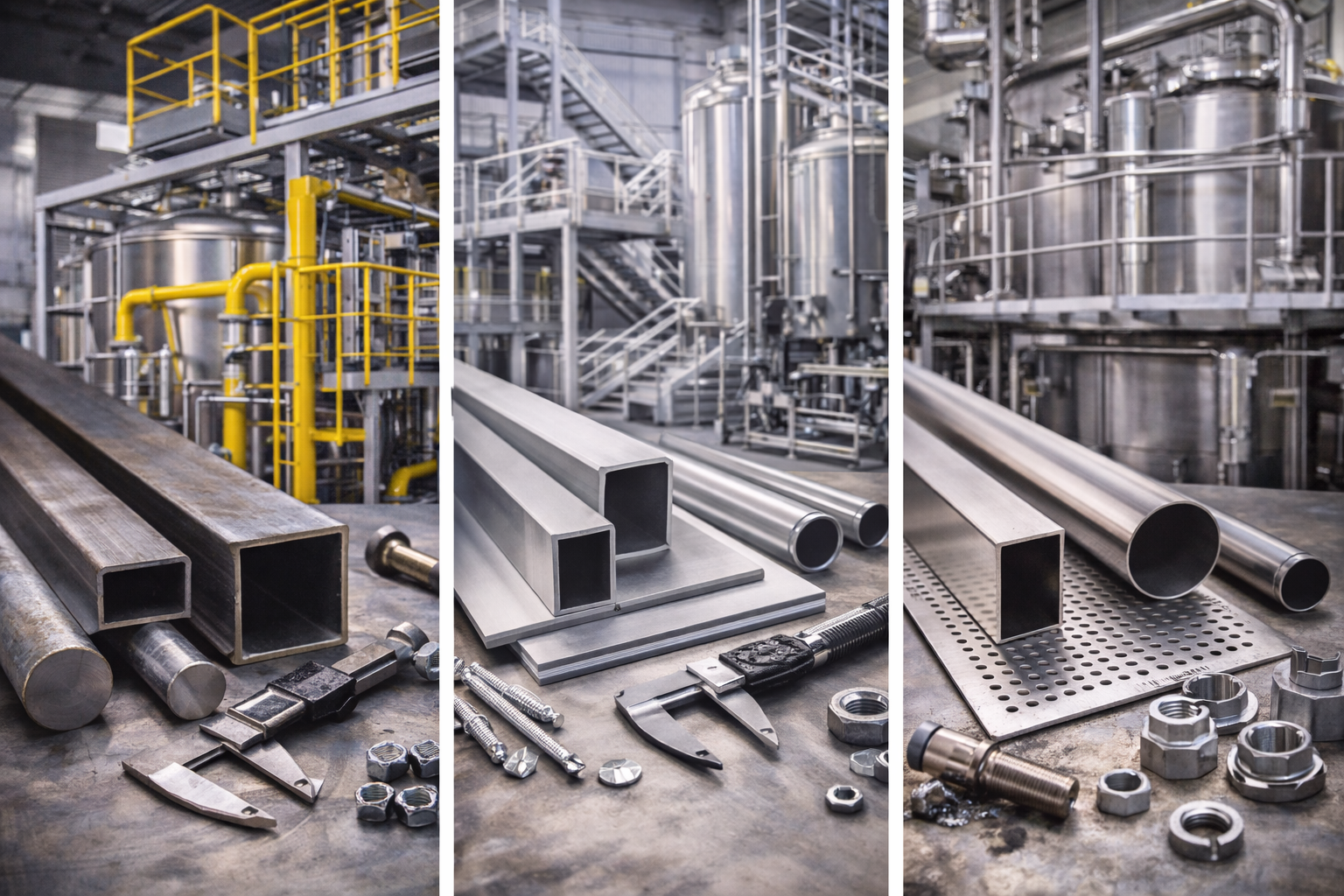
Steel is widely used for its exceptional strength, load-bearing capacity, and structural stability. It performs well in applications requiring rigidity, resistance to impact, and long spans. Steel is often the preferred choice for heavy industrial frameworks, support columns, and load-intensive platforms.
Aluminum, by contrast, offers lightweight strength and excellent resistance to corrosion. It is easier to transport, faster to install, and well-suited for structures where weight reduction is a priority. Aluminum is commonly used in facilities exposed to moisture or where modular construction is beneficial.
Understanding the trade-offs between these metals ensures the final structure balances performance, efficiency, and durability.
Managing Corrosion and Environmental Stress
Corrosion is one of the greatest threats to industrial structures, especially in environments exposed to moisture, chemicals, or salt. Without proper material selection, corrosion can compromise structural integrity and lead to costly repairs.
Using corrosion resistant metals significantly improves longevity in harsh conditions. These materials may include specially treated steels, stainless alloys, or metals with protective coatings designed to withstand aggressive environments.
Corrosion resistance provides several advantages:
- Reduced structural degradation over time
- Improved safety and reliability
- Lower inspection and maintenance frequency
- Longer service life in demanding environments
Proper surface treatments and coatings further enhance resistance, ensuring structures maintain performance even under constant exposure.
Structural Performance and Design Integrity
Industrial facilities rely on strong, stable frameworks to support equipment, production lines, and operational workflows. Selecting the right structural metal ensures that buildings and systems maintain alignment, balance, and load distribution over time.
Well-chosen metals contribute to:
- Improved resistance to vibration and fatigue
- Better tolerance of thermal expansion and contraction
- Greater overall structural integrity
- Enhanced compatibility with industrial equipment
When materials align with engineering requirements, structures perform more predictably and safely throughout their lifespan.
Durability as a Long-Term Investment
Durability is not just a technical consideration—it is a financial strategy. Selecting metals with proven performance characteristics improves metal durability, directly impacting operational efficiency and long-term costs.
Durable materials help organizations:
- Minimize unplanned shutdowns
- Reduce replacement frequency
- Lower long-term maintenance expenses
- Improve reliability in continuous operations
By prioritizing durability during the design phase, industrial operators protect both their assets and their productivity.
Heavy-Duty Applications and Fabrication Demands
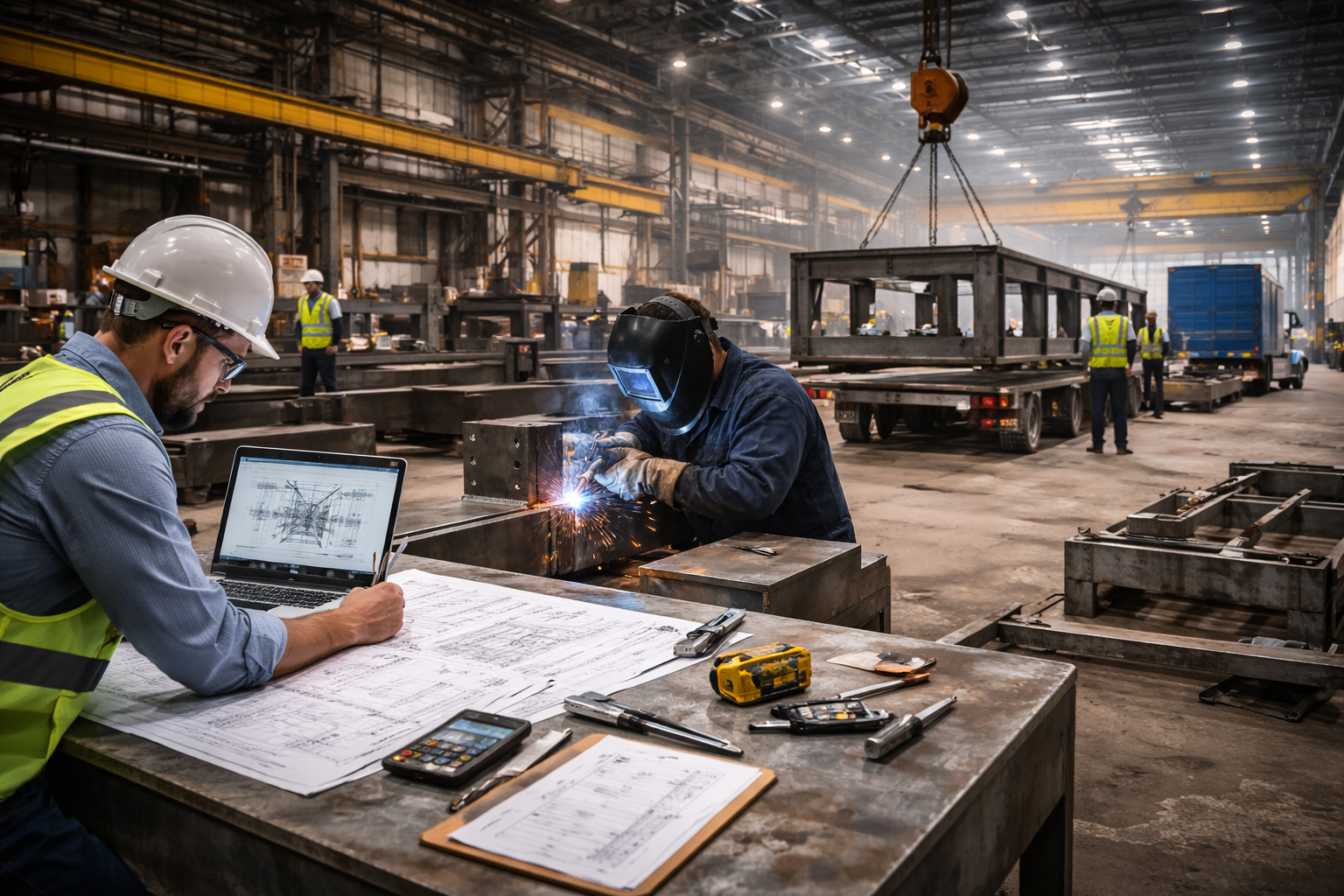
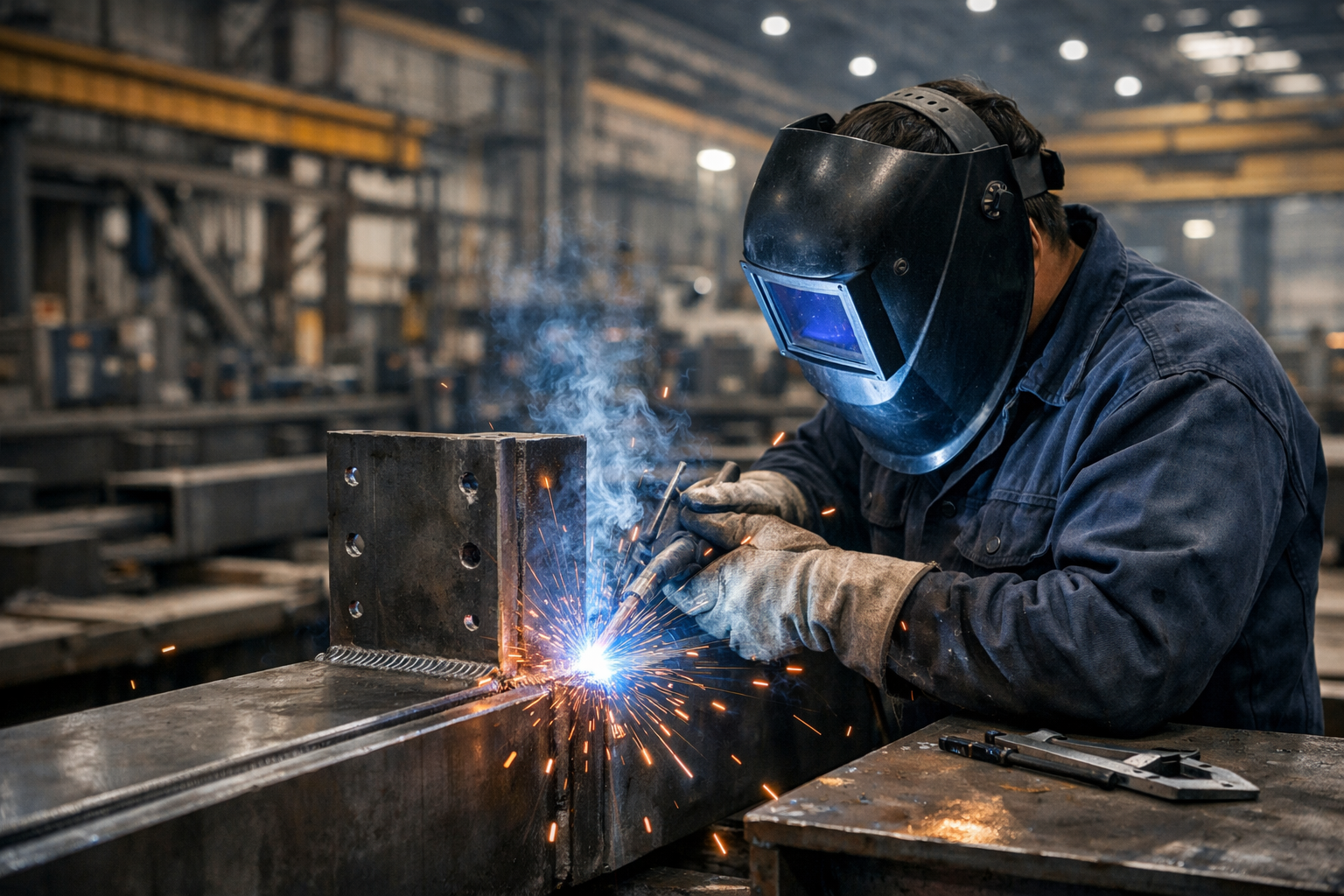
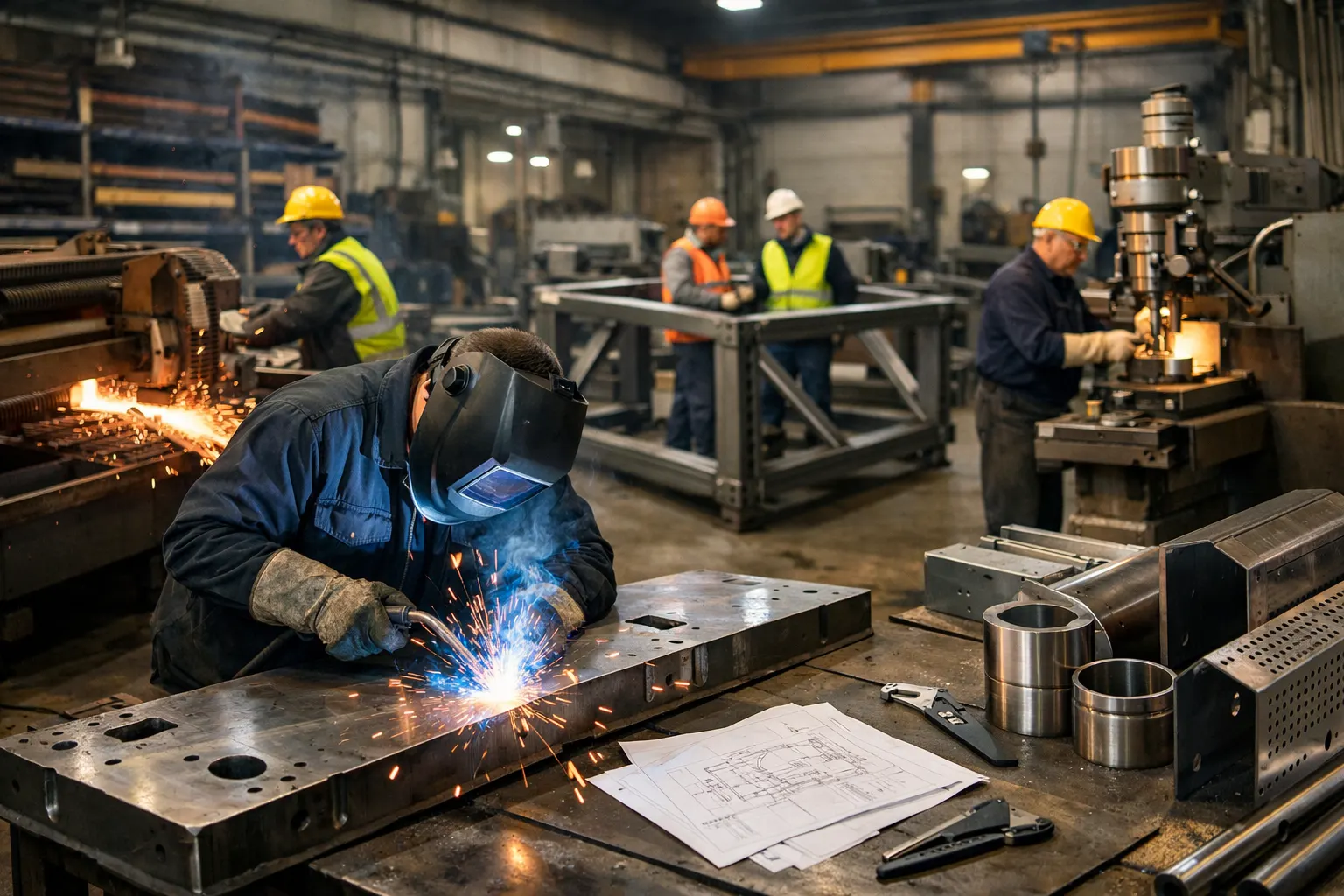
Some industrial environments require materials capable of handling extreme loads, constant motion, and high-impact conditions. In these cases, heavy duty fabrication plays a critical role in ensuring structural safety and performance.
Heavy-duty applications often include:
- Manufacturing plants with large machinery
- Processing facilities handling bulk materials
- Warehouses with high-capacity storage systems
- Infrastructure supporting cranes or automated equipment
Choosing metals suited for these conditions ensures that structures can withstand repeated stress without compromising safety or efficiency.
- Selecting materials for long-lasting industrial facilities
- Improving structural performance through proper metal selection
- Reducing maintenance costs with durable metal solutions
- Enhancing safety in industrial construction projects
- Balancing strength and weight in structural design
- Managing corrosion in demanding environments
- Supporting heavy-load applications with reliable materials
- Optimizing lifecycle costs through smart material choices
- Improving reliability in industrial infrastructure
- Strengthening project outcomes with expert fabrication planning
Collaboration Between Design and Fabrication Teams
Successful industrial projects depend on close collaboration between engineers, designers, and fabrication specialists. Early alignment ensures that material choices support both design intent and fabrication feasibility.
This collaboration allows teams to:
- Identify potential challenges before construction begins
- Optimize material usage and reduce waste
- Improve installation efficiency
- Ensure compliance with safety and performance standards
When material selection is integrated into the overall project strategy, industrial structures achieve higher performance and longer service life.
Conclusion
Choosing the right metal materials is fundamental to building industrial structures that stand the test of time. By carefully evaluating environmental conditions, load requirements, fabrication methods, and long-term performance expectations, organizations can create facilities that are safe, efficient, and durable. Strategic material selection transforms industrial construction from a short-term solution into a lasting investment—supporting operational excellence and sustainable growth well into the future.