
In industrial fabrication, structural integrity is not optional—it is the foundation of safety, performance, and long-term reliability. From large-scale manufacturing facilities to complex infrastructure projects, the strength of a structure often depends on details that are invisible to the naked eye. One of the most critical of these details is precision welding.
Welding is more than simply joining metal parts together. It is a highly technical process that determines how loads are distributed, how materials respond to stress, and how long a structure will endure under demanding conditions. When welding is performed with accuracy and consistency, it enhances durability, minimizes risk, and ensures that fabricated structures perform exactly as designed.
As industrial projects grow more complex and performance expectations rise, precision in welding has become a defining factor in successful fabrication.
The Role of Welding in Structural Integrity
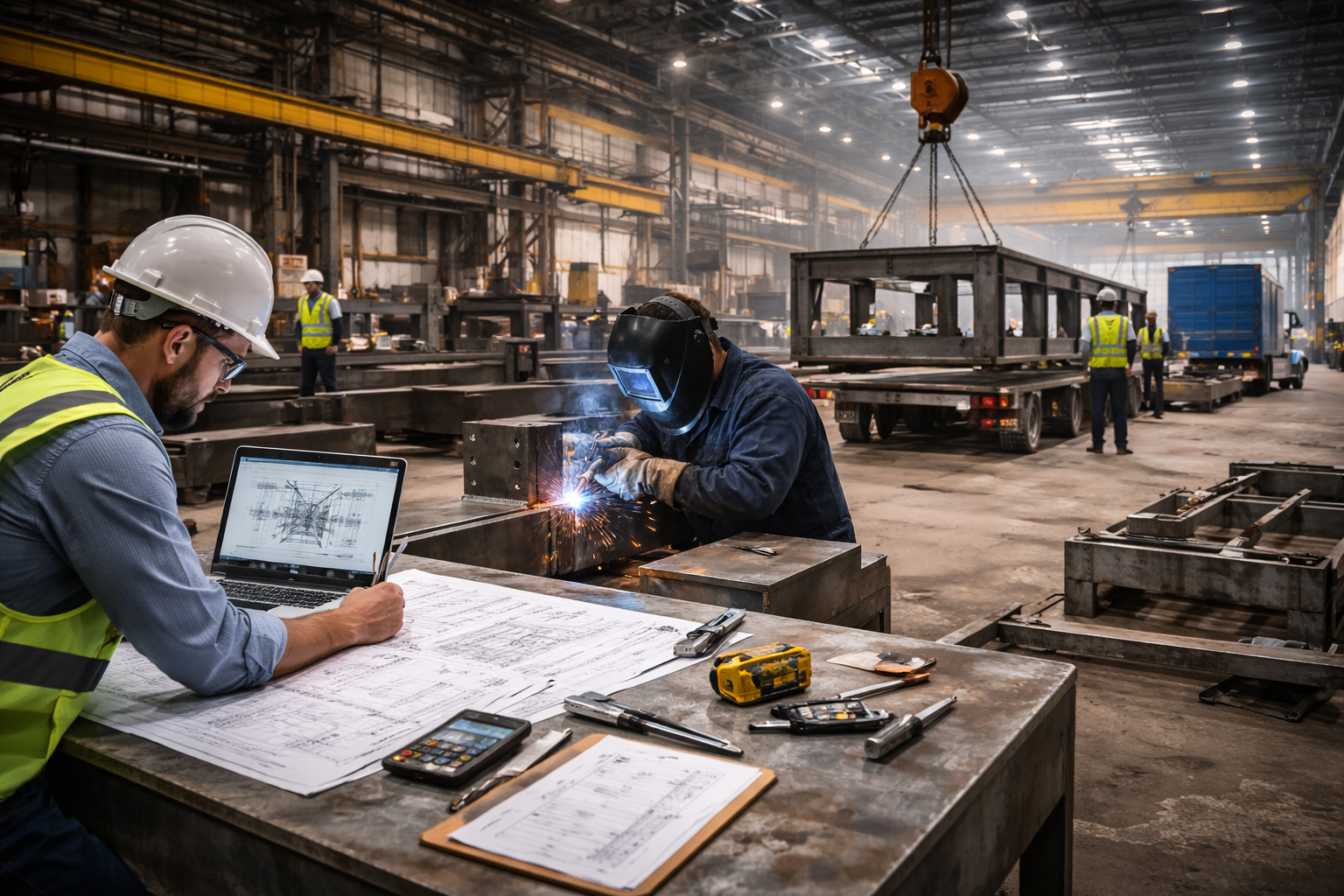
Every welded joint plays a structural role. Whether it supports static loads, resists vibration, or transfers stress between components, the quality of the weld directly influences how the structure behaves over time. Poorly executed welds can introduce weak points, misalignment, or internal defects that compromise safety and reliability.
High-quality welding ensures:
- Proper load transfer across joints
- Resistance to fatigue and cracking
- Stability under dynamic and heavy loads
- Long-term durability in demanding environments
In industrial fabrication, where structures may operate continuously for years, welding quality is inseparable from overall structural performance.
Why Precision Matters in Industrial Welding
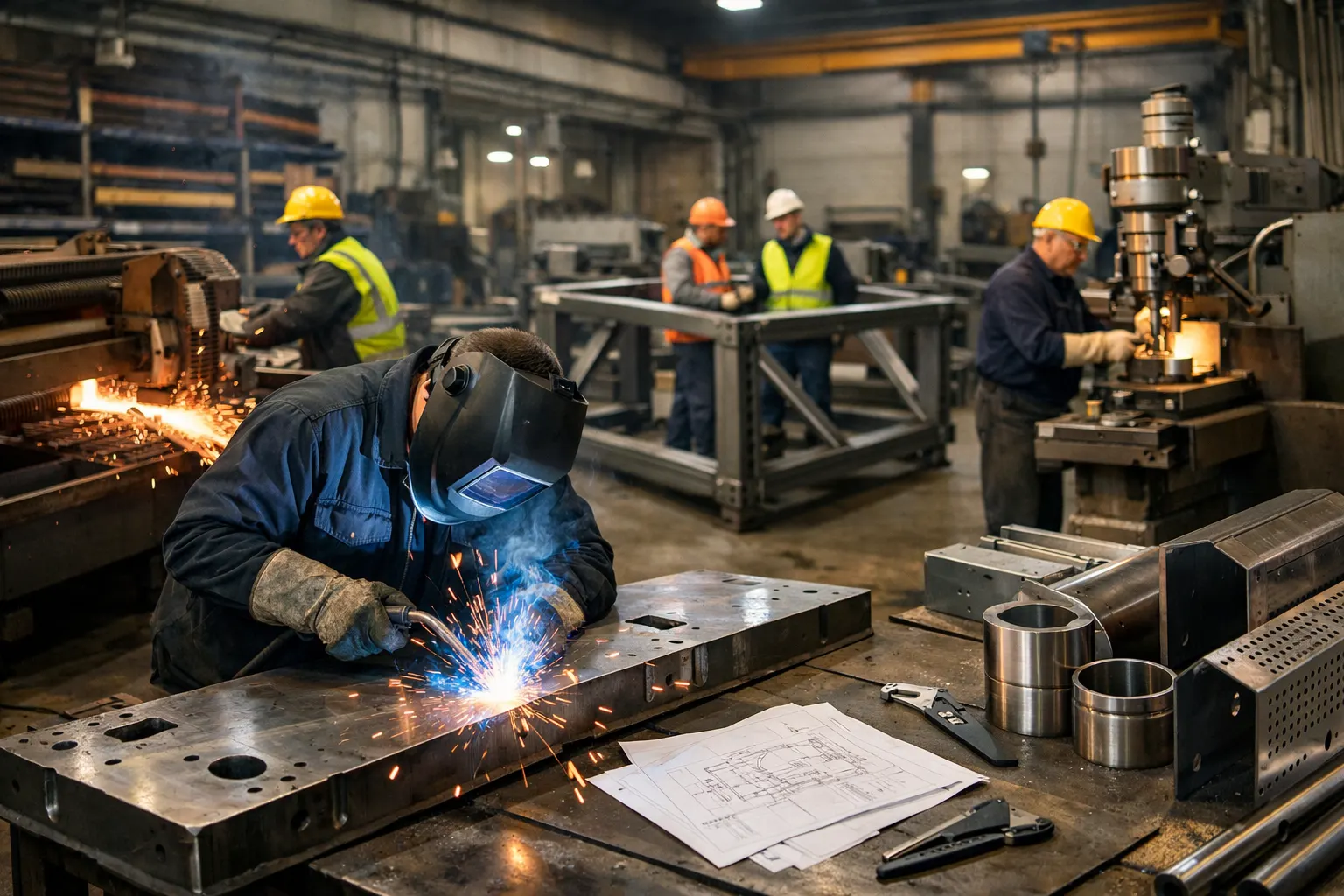
Precision in welding refers to controlling heat input, penetration depth, alignment, and consistency across every joint. Even small deviations can lead to residual stress, distortion, or reduced strength.
Modern industrial welding techniques are designed to achieve repeatable, high-quality results through controlled processes and skilled execution. These techniques help ensure that welds meet design specifications and maintain uniformity across large-scale projects.
Precision welding minimizes common issues such as:
- Warping or distortion of metal components
- Incomplete fusion or weak joints
- Excessive heat-affected zones
- Misalignment during assembly
By reducing these risks, precision welding supports both performance and safety across industrial structures.
Welding Quality and Structural Performance
Structural failures rarely happen without warning. They often begin with microscopic cracks, internal defects, or uneven stress distribution—many of which originate at welded joints. This is why structural welding quality is a critical focus in industrial fabrication.
High-quality welds contribute to:
- Even stress distribution throughout the structure
- Greater resistance to fatigue under cyclic loading
- Improved performance in high-vibration environments
- Reduced risk of sudden or catastrophic failure
When welding quality is consistent, structures perform predictably, allowing engineers and operators to trust their integrity under real-world conditions.
Accuracy as a Foundation of Fabrication
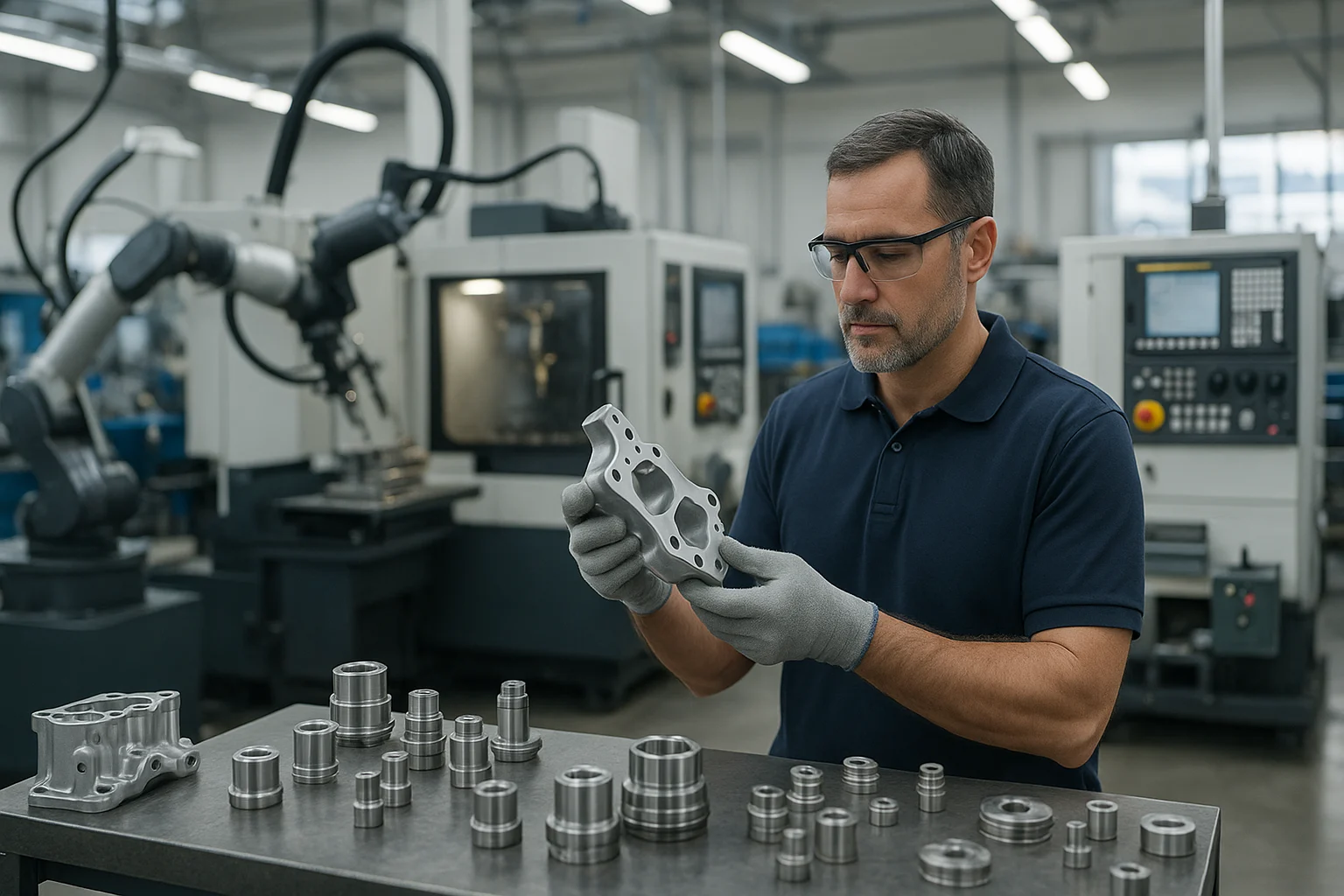
In complex fabrication projects, components must align precisely to function as intended. Welding inaccuracies can shift tolerances, disrupt alignment, and interfere with assembly or installation.
Maintaining welding accuracy in metal fabrication ensures that each component fits seamlessly into the overall structure. Accurate welds preserve dimensional integrity, allowing fabricated parts to integrate smoothly with machinery, supports, and adjacent systems.
This level of accuracy also improves efficiency by:
- Reducing the need for rework or adjustments
- Shortening installation timelines
- Minimizing material waste
- Improving consistency across production runs
Accuracy at the welding stage prevents costly corrections later in the project lifecycle.
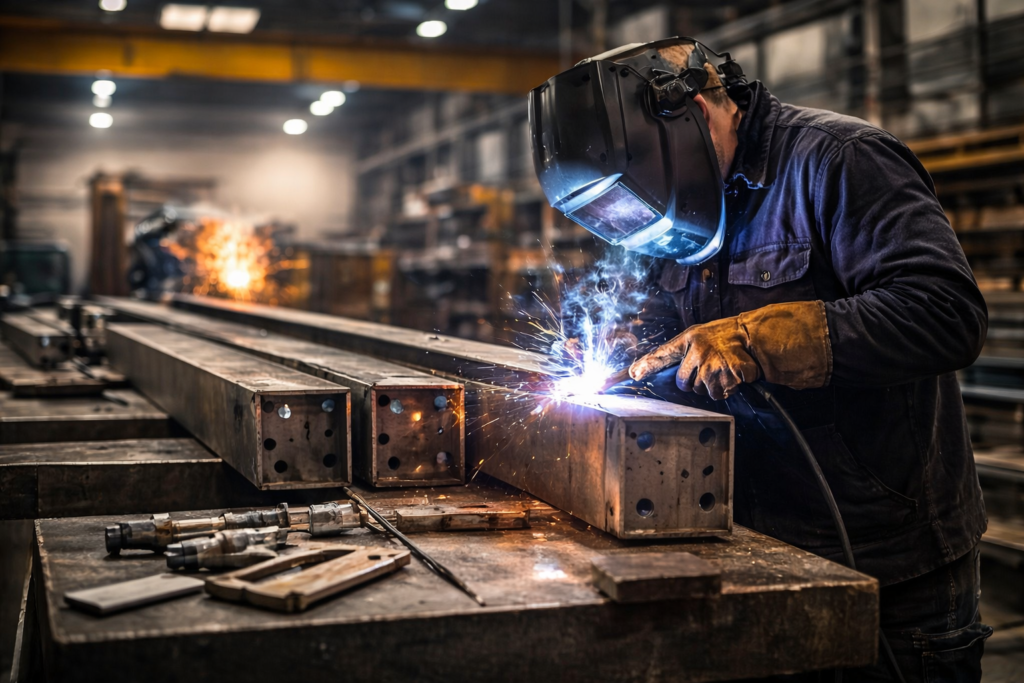
The Importance of Skilled and Certified Welders
Even the most advanced equipment cannot compensate for a lack of expertise. Skilled professionals are essential for executing precision welding consistently across industrial projects.
Certified industrial welding ensures that welders meet established competency standards and are qualified to work with specific materials, processes, and applications. Certification demonstrates proficiency in technique, safety, and quality control.
Certified welders bring value by:
- Following strict procedural guidelines
- Maintaining consistency across all welds
- Identifying potential issues before they escalate
- Ensuring compliance with industry regulations
Their expertise is a key factor in delivering structures that meet both performance and safety expectations.
Standards That Define Welding Excellence
Industrial projects operate under strict regulatory and performance requirements. Welding must meet established criteria to ensure safety, reliability, and compliance.
Welding standards for industrial projects define acceptable practices for joint design, material preparation, welding processes, inspection methods, and quality assurance. These standards help ensure that every weld contributes positively to structural integrity.
Adhering to standards provides several advantages:
- Consistent quality across large-scale projects
- Improved safety for workers and end users
- Easier inspection and verification
- Reduced liability and risk
Standards create a shared framework that aligns engineers, fabricators, inspectors, and clients around clear expectations.
How Precision Welding Supports Long-Term Durability
Industrial structures are exposed to continuous stress, environmental factors, and operational demands. Precision welding strengthens a structure’s ability to withstand these conditions over time.
Well-executed welds offer:
- Greater resistance to fatigue and wear
- Improved performance under thermal expansion
- Reduced susceptibility to corrosion at joints
- Enhanced stability in heavy-load applications
By reinforcing critical connection points, precision welding extends the service life of industrial structures and reduces long-term maintenance requirements.
Precision Welding and Project Efficiency
Beyond structural integrity, precision welding also contributes to project efficiency. Accurate, high-quality welds reduce delays, rework, and unexpected costs.
Benefits to project timelines and budgets include:
- Faster assembly and installation
- Fewer inspection failures
- Lower repair and maintenance expenses
- Improved predictability in scheduling
When welding is done right the first time, projects move forward smoothly from fabrication to operation.
Precision Welding as a Competitive Advantage
In an increasingly competitive industrial landscape, quality is a differentiator. Precision welding allows manufacturers and fabricators to deliver structures that outperform expectations in strength, reliability, and longevity.
Clients benefit from reduced downtime, lower maintenance costs, and greater confidence in the integrity of their facilities. Fabricators benefit from improved reputation, fewer quality issues, and stronger long-term partnerships.
Conclusion
Precision welding plays a decisive role in ensuring structural integrity within industrial fabrication. By emphasizing accuracy, quality, skilled execution, and adherence to standards, industrial projects achieve greater safety, durability, and performance. As fabrication demands continue to rise, precision in welding remains a cornerstone of reliable, efficient, and future-ready industrial structures.