
In a world where customer expectations evolve rapidly, product life cycles shrink, and customization becomes a competitive necessity, traditional mass-production methods are no longer enough. Companies across multiple industries are shifting toward flexible, adaptive production models that support specialization without sacrificing efficiency. Low-volume, high-mix manufacturing stands at the heart of this transformation—empowering businesses to respond quickly to demand changes, tailor offerings, and innovate faster.
This flexible model leverages smarter workflows, modular equipment, digital integration, and agile teams, ensuring organizations can produce a wide variety of products in small quantities while maintaining quality and speed. For manufacturers seeking stronger operational resilience and market differentiation, adopting this approach has become a strategic advantage rather than a mere trend.
Modern production ecosystems depend heavily on efficient supply chain solutions to support variability, manage risk, and ensure materials move seamlessly in and out of the factory. Low-volume, high-mix environments magnify the importance of connecting logistics, inventory management, and engineering in ways that keep operations lean yet adaptable. When executed successfully, this model unlocks new opportunities for innovation, customer alignment, and long-term competitiveness.
Why Low-Volume, High-Mix Manufacturing Matters Today
Global industries face constant pressure to accelerate time-to-market, reduce waste, personalize products, and respond quickly to shifting customer preferences. Traditional high-volume, single-product production can’t keep up with this level of volatility.
Low-volume, high-mix manufacturing offers several essential advantages:
- Faster introduction of new product variants.
- Lower inventory risks due to smaller production runs.
- Improved responsiveness to changes in market demand.
- Higher flexibility in design modifications or product iteration cycles.
- Better ability to serve niche or premium markets.
These benefits create a more resilient operational environment—one capable of adjusting to fluctuation without compromising output quality or delivery timelines. As industries evolve, flexible production becomes the backbone of effective manufacturing production and a key driver of competitive positioning.
The Role of Technology and Digital Integration
Emerging technologies make low-volume, high-mix manufacturing more achievable than ever. Digital tools support accurate planning, eliminate inefficiencies, and improve communication between teams.
Key enablers include:
- Advanced scheduling software for optimizing machine usage.
- Real-time data platforms for tracking throughput and performance.
- Digital twins to simulate workflows before running physical prototypes.
- Automated inspection systems that ensure consistent quality.
- Modular machinery adapted for quick changeovers.
- IoT-enabled sensors for predictive maintenance and process stability.
These innovations allow manufacturers to reduce downtime, minimize batch-switch errors, and maintain consistent quality even when running a wide variety of SKUs.
How Flexible Manufacturing Strengthens Supply Chains
Today’s manufacturers must navigate fluctuating material availability, geopolitical instability, global transportation delays, and shifting customer expectations. Low-volume, high-mix production reduces supply chain vulnerability in multiple ways:
- Less dependence on large, continuous material flow.
- Faster pivots to alternate materials or suppliers.
- Increased agility in adapting to demand spikes or drops.
- Lower financial exposure connected to bulk inventory purchases.
In addition, highly flexible operations support localized or regional production strategies, helping companies bring manufacturing closer to end users. This reduces transportation risk and strengthens the overall reliability of global networks. These interconnected advantages show how flexible production aligns directly with modern manufacturing strategies designed for resilience and adaptability.
The Competitive Advantages of Flexibility
Businesses that embrace low-volume, high-mix manufacturing gain several critical benefits that enhance their competitive edge.
1. Rapid Customization
Customers expect tailored products—color variations, feature sets, performance adjustments, and personalized designs. Flexible production makes it possible to deliver these offerings profitably.
2. Improved Market Responsiveness
Short production cycles allow companies to test new ideas, gather feedback, and iterate quickly without major financial exposure.
3. Higher Product Diversity
A diverse product catalog broadens market reach and reduces dependence on any single offering.
4. Reduced Obsolescence Risk
Small batches ensure that products don’t accumulate as outdated inventory.
5. Scalable Innovation
Teams can develop and introduce new products without disrupting ongoing production.
These qualities strengthen core manufacturing services and ensure organizations remain competitive in dynamic markets.
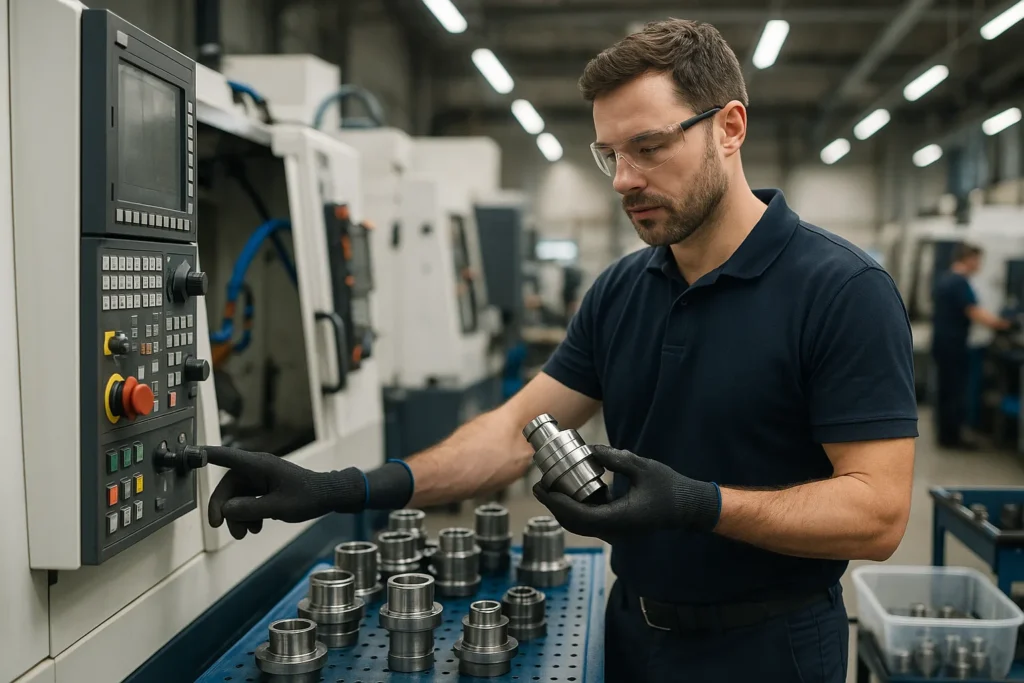
Key Elements of a Successful Low-Volume, High-Mix Operation
Achieving efficient flexible production requires aligning processes, people, technology, and strategy. Essential elements include:
1. Agile Workforce
Multi-skilled teams capable of quick changeovers and problem-solving are vital. Cross-training ensures that the workforce can adapt fluidly to shifting tasks.
2. Modular Equipment
Manufacturing systems designed for quick tooling changes and rapid setup adjustments reduce downtime between batches.
3. Strong Interdepartmental Communication
Engineering, procurement, planning, and production must operate through integrated channels to prevent bottlenecks.
4. Lean Inventory Management
Systems such as kanban, just-in-time replenishment, and automated ordering reduce waste and ensure material availability.
5. Engineering for Flexibility
Products designed with modular components or standardized interfaces require fewer adjustments during production shifts.
6. Real-Time Data Visibility
Sensors and connected systems provide insight into cycle times, quality metrics, maintenance needs, and throughput performance.
When these pieces work together, companies gain greater control of operations and build a solid foundation for growth.
How Businesses Can Transition Into Flexible Production
For many companies, shifting from traditional high-volume manufacturing to a low-volume, high-mix approach requires strategic transformation. Key steps in this transition include:
- Conducting a workflow analysis to identify inefficiencies.
- Identifying quick-changeover opportunities in current lines.
- Reconfiguring layouts to support modular operations.
- Investing in digital tools to improve visibility and control.
- Redesigning products for manufacturability and flexibility.
- Strengthening communication loops between design, planning, and operations.
This process ultimately improves operational efficiency and enhances an organization’s ability to meet evolving customer needs.
What Companies Need to Know Before Beginning Production
Organizations often ask how to manufacture a product efficiently in a low-volume, high-mix environment. The answer lies in aligning design, engineering, and production strategy from the beginning. Companies must evaluate:
- The variety of product SKUs they intend to produce.
- Expected volume ranges and demand variability.
- Equipment capabilities, tooling requirements, and changeover time.
- Availability of skilled technicians.
- Data systems needed for real-time visibility.
- Upstream supply chain requirements.
Planning these elements early ensures smoother production, better cost control, and fewer unexpected challenges along the way.
Conclusion
Flexible, low-volume, high-mix manufacturing empowers companies to navigate unpredictable markets, deliver personalized solutions, and strengthen operational resilience. Organizations that embrace agility, digital integration, and modular workflows position themselves for sustainable growth. By aligning strategy, technology, and supply chains, manufacturers can respond confidently to the demands of a fast-changing world—while building a competitive edge that endures.