
When it comes to heavy industry, infrastructure, and large-scale manufacturing, the difference between a project that succeeds and one that costs a lot of money to fail is often how well things are built from the start. Every steel framework, equipment part, or unique metal structure has a carefully thought-out metal fabrication process that makes sure it is strong, accurate, and will last a long time.
Cutting and welding metal parts together is just one minor step of making metal for industry. It takes knowledge of engineering, the latest technology, meticulous planning, and strict quality control at every step. It’s very vital to make sure that the ultimate product performs exactly as expected at every phase, from the earliest design idea to the last delivery of a finalized part.
Let’s look more closely at how modern production teams keep accuracy, safety, and efficiency in mind as they progress from idea to delivery.
The Start: Engineering and Design
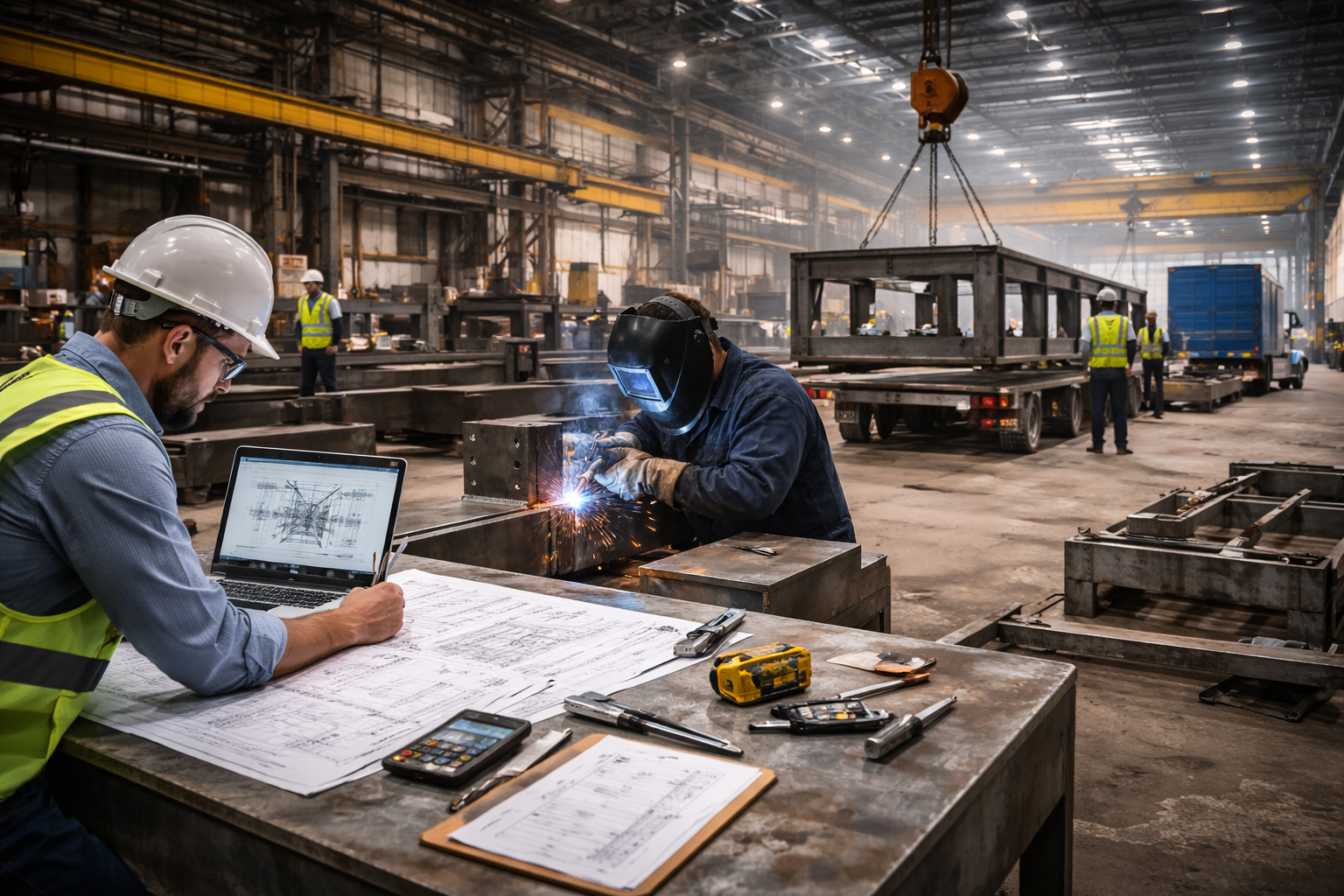
The first step in any successful fabrication project is to have a strong engineering background. Before any metal is cut or shaped, engineers and designers work together to produce exact plans that spell out the size, materials, tolerances, and structural needs.
People sometimes term this process “engineering to production fabrication,” which involves translating digital plans into instructions that the people who do the fabrication can follow. Engineers employ advanced tools like CAD modeling and simulation software to see how parts will perform and interact in the real world.
This stage of the design process is helpful for teams: early difficulties. To cut down on waste, use items in the best way you can. Make production more effective. Check that the parts can support the weight they need to.
A design that is carefully thought out not only saves money on adjustments later, but it also makes sure that the process of making the product proceeds smoothly once production starts.
Planning how to make things in an industrial setting
After the engineering designs are finished, the following stage is to plan how to make the product. At this point, professionals in industrial fabrication decide out the best technique to perform the work.
This entails determining out how materials will travel throughout the shop floor, which machines will be used, and what order operations will be done in. Planning the workflow carefully reduces down on delays and makes sure that each step of the fabrication process happens in the appropriate order.
When making a workflow, some of the most important aspects to keep in mind are:
- What kind of material and how thick it is
- Requirements for cutting and shaping
- How to put things together
- Availability of tools
- Production schedules
By planning the process before fabrication starts, teams may avoid bottlenecks, get more done, and maintain the quality of their work consistent throughout the project.
The Steps Involved in Making Metal
There are steps that make up the metal fabrication process, and most of the time they happen in a certain order. There are a few basic steps that are the same for most fabrication operations. But the exact stages may change from one job to the next.
1. Picking the correct materials
You need to pick the right material based on how it will be used, how it will be affected by the environment, and how well it will perform mechanically. Structural steel, aluminum, stainless steel, and alloys developed for certain jobs are some typical materials.
Picking the correct metal ensures sure that the finished building can handle stress, changes in temperature, and rust over time.
2. Cutting and Shaping
After choosing the materials, the first step in constructing something is to cut it. Fabrication companies use technologies like this today:
- Using a laser to cut
- Using plasma to cut
- Cutting with jets of water
- CNC machining
These tools allow specialists produce cuts that are exceedingly precise, which ensures that the pieces meet the design specifications.
Metal pieces can be bent, rolled, or molded into the shapes they need to be after they have been cut.
3. Putting things together and joining them
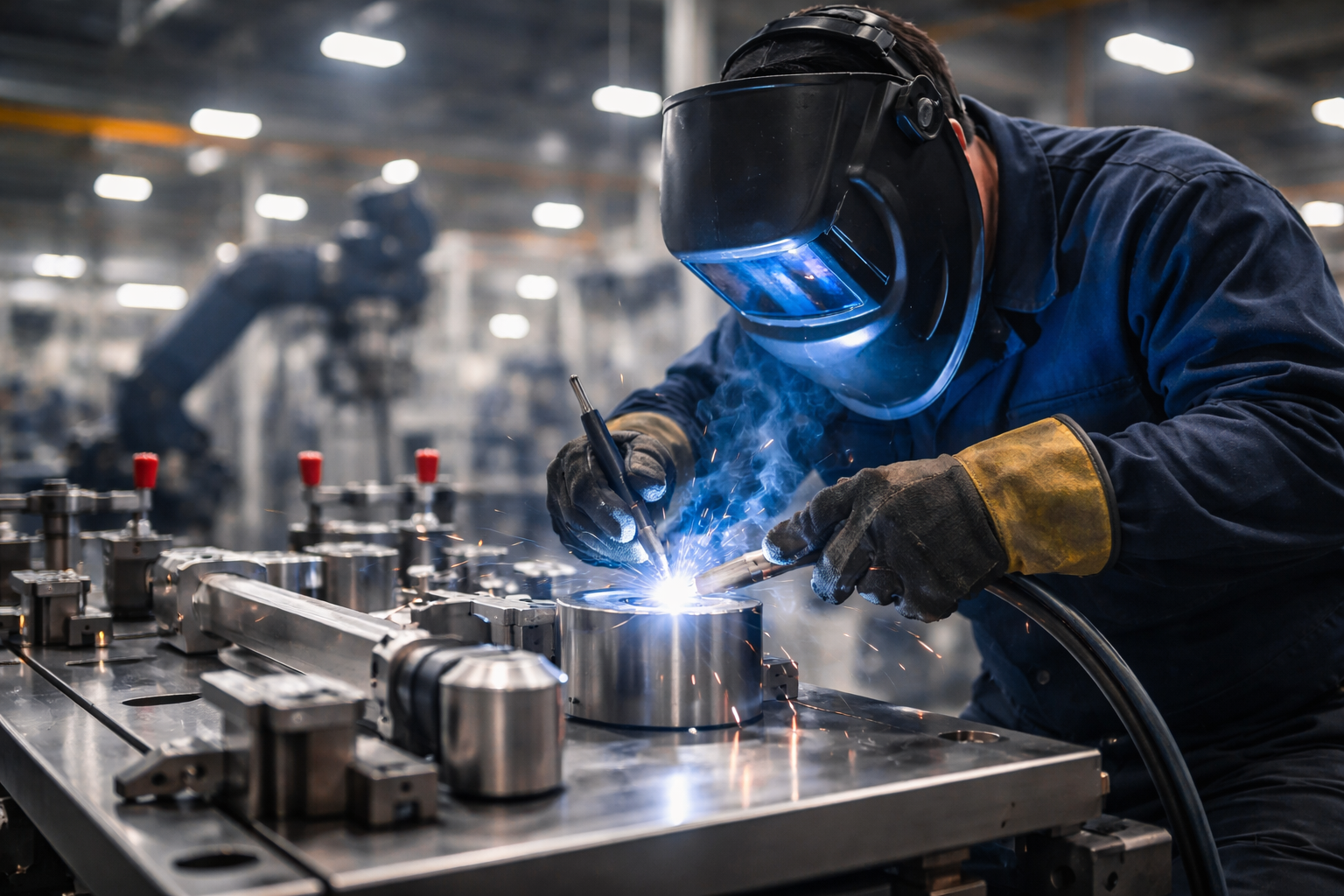
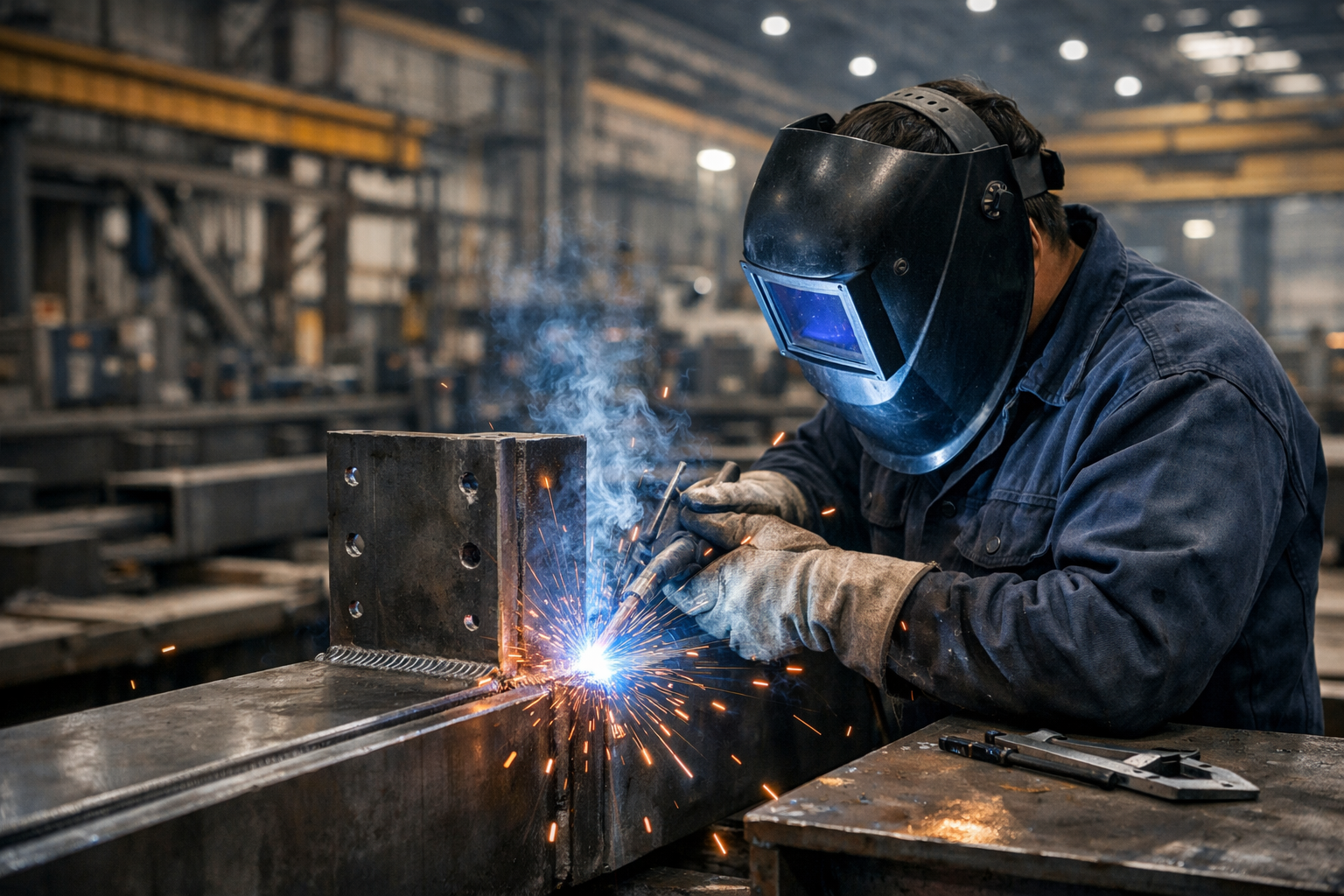
The next step is to put the pieces together. You can do this by welding, fastening, or using mechanical assembly methods. Fabricators must carefully follow the design parameters to make sure the structure stays in line and the measurements are right.
This procedure needs skilled workers who know how materials react to heat, pressure, and stress from machines.
Maintaining Quality Control During Production
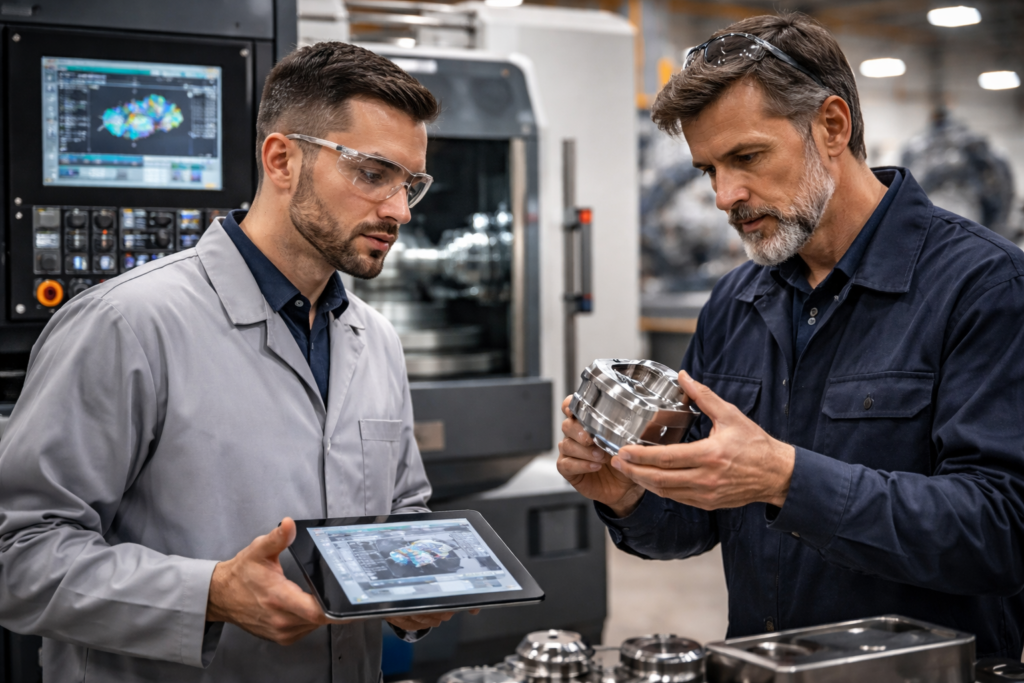
One of the most important things to accomplish when creating items in factories is to make sure that metal fabrication is done with strict quality control. Because fabricated constructions are often used in tough situations, even little faults might cause difficulties with safety or performance.
To avoid problems, fabrication companies set up a lot of places to check things during the production process.
Some common steps for quality control are:
- Checking the sizes
- Checking welds
- Testing that doesn’t hurt
- Checks for finishing on the surface
Testing for load and performance
These tests make sure that every part meets engineering requirements and follows the norms of the industry. Quality assurance also protects customers from unexpected problems, costly downtime, and even safety issues.
Offering a Complete Manufacturing Solution From Beginning To End
More and more, businesses are choosing fabrication partners who can handle the complete process of creating metal, from start to finish. Instead of engaging with different vendors for each step, clients benefit from having one partner handle everything from design to manufacturing to assembly to finishing.
You can get the following from an integrated fabrication provider:
- Help with design and engineering
- Getting supplies
- Cutting and sculpting with great care
- Putting things together and welding
- Finishing and coating
- Last check and packing
This full-service approach makes things go more easily, reduces confusion, and speeds up production times.
It also offers the teams who manufacture things more control over quality, which makes sure that the final product meets both technical and operational criteria.
What Experience and Technology Do
Advanced technology has transformed how things are manufactured in the last few years, yet skilled work is still highly important.
Experienced technicians know how to read technical drawings, fix problems that come up during production, and alter their procedures to keep quality good even when they don’t have much time.
Modern manufacturing also need the newest tools, like:
- CNC controls machines
- machines that weld with robots
- devices that chop stuff on their own
- tools for checking things digitally
These technologies make things more accurate, faster, and less likely to go wrong because of mistakes made by people.
When experts and technology work together, fabrication teams may build stronger and more reliable structures without changing the way they manufacture things.
Why The Way Things Are Made Affects How Well a Project Goes
You can’t normally observe industrial fabrication once a project is done. Steel frames become buildings, metal elements become machines, and completed structures form part of critical infrastructure.
But how effectively these systems work depends a lot on how well they were constructed in the first place.
A well-thought-out fabrication process makes sure that:
The structural sections fit together correctly during installation. The device works effectively and safely. Materials work well even when they’re under stress. Projects are finished on time and under budget.
When manufacturing is rushed or not adequately planned, problems often show up later as delays, repairs, or weak constructions.
That’s why companies that invest in industrial projects strive for fabrication partners who follow rules, maintain high quality, and always produce the same results.
Finally
Industrial fabrication is a difficult process that requires careful planning and coordination between engineers, production planners, skilled workers, and the latest technology. Every step, from picking the correct materials and designing them to putting them together and verifying them at the end, is vital for making sure that fabricated parts operate well in demanding situations.
When fabrication teams employ a methodical approach and follow strict quality standards, they make stronger buildings, safer tools, and more successful industrial projects. A strong fabrication process doesn’t just manufacture metal parts; it also sets the stage for trust and long-term performance.