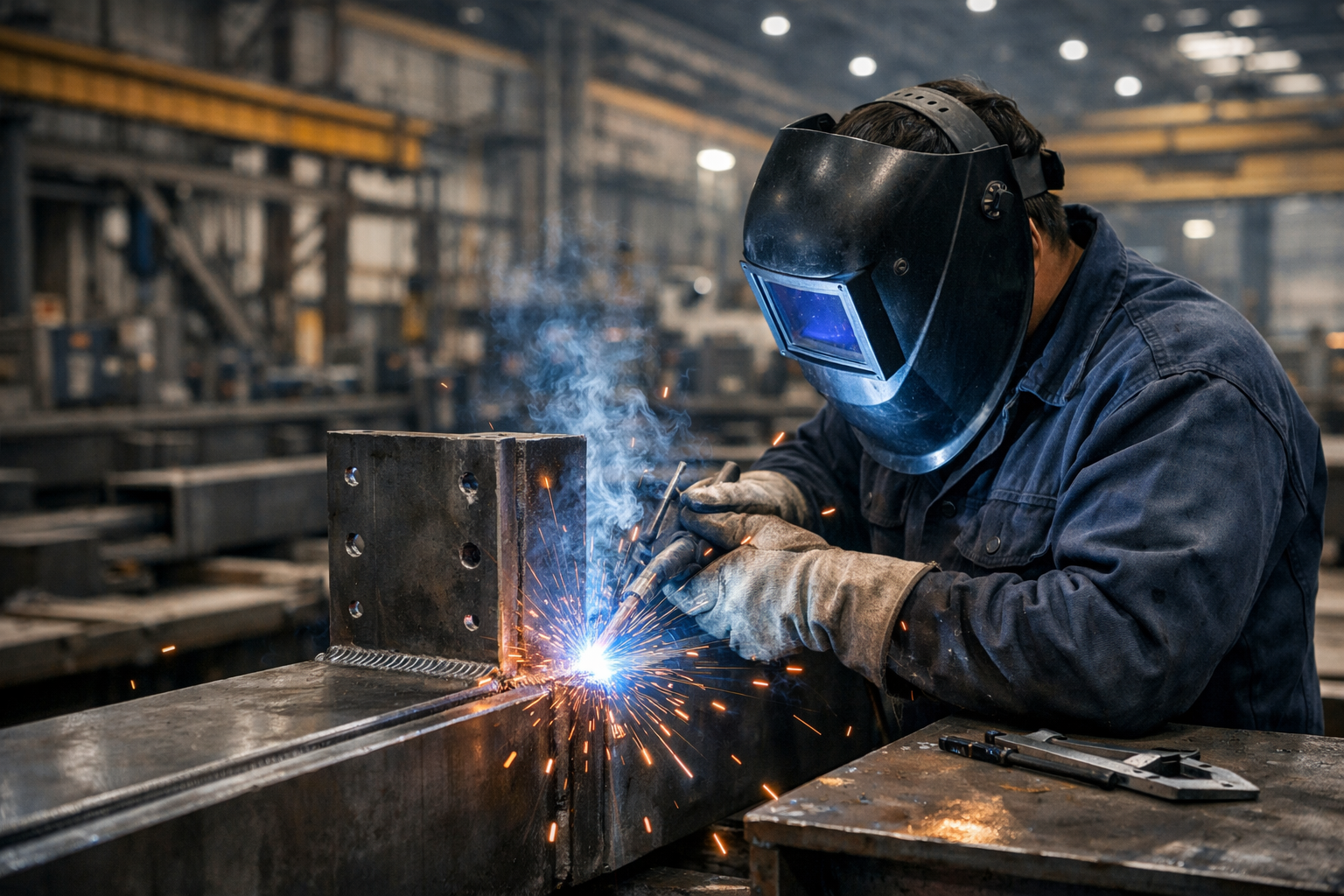
Predictive maintenance is a proactive approach that uses data analysis tools and techniques to detect anomalies in your manufacturing equipment. By analyzing this data, manufacturers can predict when a machine is likely to fail and schedule maintenance just in time to prevent it. This forward-thinking strategy not only minimizes unplanned downtime but also optimizes resource allocation, ensuring that maintenance efforts are focused where they are most needed.
Predictive analytics involves collecting and analyzing data from various sources within a factory to make informed decisions. This data-driven approach helps in understanding patterns and trends that can indicate potential equipment failures. By using historical data and machine learning algorithms, manufacturers can predict future issues and take preventive measures. This method not only improves machine reliability but also enhances decision-making processes, allowing for better planning and resource management.
Data is at the heart of predictive maintenance, serving as the foundation for all subsequent analyses and predictions. By leveraging data from sensors, machine logs, and operational records, manufacturers can gain insights into machine performance and health. This data-driven approach enables the identification of subtle patterns and anomalies that might indicate an impending failure. With continuous data collection, manufacturers can refine their predictive models, improving their accuracy and reliability over time.
To effectively implement predictive maintenance, manufacturers employ a variety of tools and techniques. These include advanced data analytics software, machine learning algorithms, and specialized predictive maintenance platforms. These tools help in processing large volumes of data, identifying key indicators of equipment health, and generating actionable insights. Techniques such as condition monitoring, vibration analysis, and thermography are commonly used to assess equipment condition and predict potential failures.
Predictive maintenance offers numerous advantages for manufacturers aiming to enhance their operations and minimize disruptions. By adopting this proactive approach, companies can transform their maintenance strategies and achieve significant improvements in efficiency and productivity.
One of the most significant benefits of predictive maintenance is the reduction of machine downtime. By predicting failures before they happen, maintenance can be scheduled at the most convenient times, avoiding unexpected halts in production. This proactive scheduling ensures that repairs are conducted during planned maintenance windows, minimizing the impact on production schedules and maintaining continuous operations.
Predictive maintenance helps in reducing maintenance costs by eliminating unnecessary routine checks and focusing only on equipment that truly needs attention. This targeted approach also extends the lifespan of machinery, preventing costly replacements. By investing in predictive maintenance, manufacturers can achieve a higher return on investment, as the savings from reduced downtime and optimized maintenance efforts outweigh the initial costs.
Predictive maintenance ensures that machines are always in optimal condition, reducing the risk of accidents and ensuring compliance with safety regulations. This not only protects workers but also enhances the reputation of the manufacturing company. By maintaining equipment in peak condition, manufacturers can prevent dangerous malfunctions and ensure that all safety standards are met, fostering a safer work environment.
With machines running smoothly, productivity levels increase. Predictive maintenance ensures that machines are available when needed, reducing idle time and increasing overall efficiency. This leads to improved output and a more streamlined production process, allowing manufacturers to meet customer demands more effectively. By reducing unexpected interruptions, manufacturers can focus on continuous improvement and innovation.
Smart sensors play a crucial role in predictive maintenance. These devices collect real-time data on machine performance, such as temperature, vibration, and noise levels. This data is then analyzed to detect any anomalies that might indicate potential issues. By continuously monitoring these parameters, manufacturers can gain valuable insights into machine health and intervene before failures occur, ensuring optimal performance and reliability.
The Industrial Internet of Things (IoT) connects machines and devices within a manufacturing facility, enabling seamless data exchange. IoT devices gather and transmit data to a centralized system where it is processed and analyzed. This interconnected network makes it easier to monitor machine health and predict maintenance needs. By integrating IoT with predictive maintenance strategies, manufacturers can enhance their ability to detect and address potential issues, improving operational efficiency.
Artificial intelligence (AI) and machine learning are increasingly being integrated into predictive maintenance systems. These technologies enable more accurate predictions and faster response times by continuously learning from data and improving their algorithms. AI can identify complex patterns and correlations that may not be apparent through traditional analysis, offering deeper insights into equipment health and optimizing maintenance schedules.
Company A, a leading manufacturer in the automotive industry, implemented a predictive maintenance strategy using advanced analytics and IoT devices. By continuously monitoring machine health, they reduced unexpected downtime by 30%, resulting in significant cost savings and increased production efficiency. This case study highlights the transformative impact of predictive maintenance, showcasing how data-driven insights can drive operational improvements and enhance competitiveness.
Company B, a food processing plant, used predictive maintenance to ensure that all equipment met safety standards. By predicting maintenance needs, they avoided potential safety hazards and maintained compliance with industry regulations, which also improved worker safety. This proactive approach not only protected employees but also strengthened the company’s reputation as a safe and responsible manufacturer, fostering trust among stakeholders.
Company C, operating in the heavy machinery sector, successfully extended the lifespan of their equipment through predictive maintenance. By identifying wear and tear early, they performed timely interventions that prevented major breakdowns. This approach not only reduced replacement costs but also optimized asset utilization, allowing the company to achieve higher returns on their capital investments.
Implementing predictive maintenance in manufacturing is not without its challenges. It requires an upfront investment in technology and training for staff. Additionally, manufacturers must ensure data security and privacy, as predictive maintenance involves handling sensitive operational data. Overcoming these challenges involves careful planning, choosing the right technology partners, and fostering a culture of continuous improvement within the organization.
The initial cost of implementing predictive maintenance can be a barrier for some manufacturers. However, the long-term benefits often outweigh the initial investment. Educating stakeholders on the potential savings and improvements in efficiency can help overcome resistance. Demonstrating quick wins and tangible results can also build confidence and encourage wider adoption.
Data security and privacy are critical considerations in predictive maintenance. Manufacturers must implement robust security measures to protect sensitive data from unauthorized access and breaches. This includes encrypting data, using secure communication protocols, and regularly auditing data access. By prioritizing security, manufacturers can safeguard their operations and maintain trust with customers and partners.
Implementing predictive maintenance requires skilled personnel who can operate and manage advanced technologies. Training and skill development programs are essential to equip staff with the necessary expertise. Manufacturers should invest in continuous learning opportunities to keep their teams updated on the latest tools and techniques in predictive maintenance, ensuring they can effectively leverage technology for optimal results.
As technology continues to advance, predictive maintenance will become even more sophisticated. The integration of artificial intelligence and machine learning will enable more accurate predictions and faster response times. This will further enhance the efficiency and reliability of manufacturing processes, allowing companies to achieve new levels of performance and competitiveness.
Emerging technologies such as edge computing, digital twins, and augmented reality are set to revolutionize predictive maintenance. Edge computing allows data processing closer to the source, reducing latency and enabling real-time analysis. Digital twins create virtual models of physical assets, providing detailed insights into their condition. Augmented reality can assist maintenance technicians by overlaying digital information onto physical equipment, improving accuracy and efficiency.
While predictive maintenance is currently transforming manufacturing, its principles and technologies can be applied to other industries. Sectors such as transportation, energy, and healthcare are beginning to explore predictive maintenance to enhance their operations. By leveraging predictive insights, these industries can improve asset management, reduce operational costs, and deliver better services to their customers.
The ultimate goal of predictive maintenance is to move toward autonomous maintenance systems. These systems will be capable of self-diagnosing and self-healing, minimizing human intervention and maximizing operational uptime. As artificial intelligence and machine learning continue to evolve, the vision of fully autonomous maintenance is becoming increasingly achievable, promising a future of unprecedented efficiency and reliability.
Predictive maintenance is transforming the manufacturing industry by reducing downtime, cutting costs, and improving safety. By leveraging smart technology, manufacturers can stay ahead of potential issues and ensure smooth operations. As more companies adopt this approach, predictive maintenance will become a cornerstone of modern manufacturing strategies, driving growth and innovation in the sector.
Explore how predictive maintenance in manufacturing reduces downtime and boosts efficiency on Machine Design.
Incorporating predictive maintenance into your manufacturing operations not only boosts efficiency but also sets the stage for future advancements in industrial technology. Embrace this proactive approach and watch your manufacturing processes thrive in an increasingly competitive landscape. By staying at the forefront of technology and innovation, manufacturers can secure a sustainable and prosperous future, poised to meet the challenges and opportunities of tomorrow.
Learn more about our manufacturing technology solutions that enhance productivity and reduce downtime.