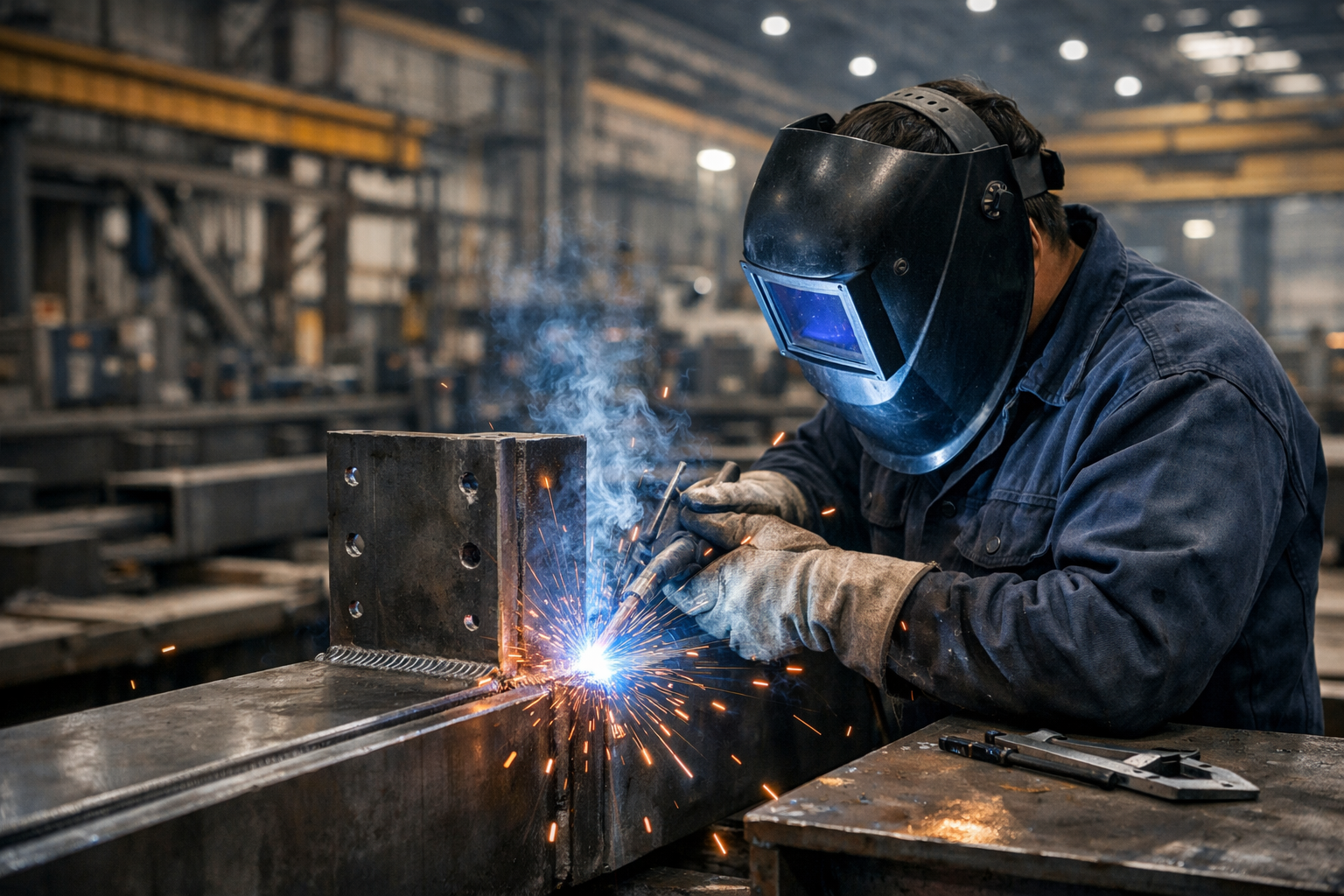
In today’s fast-paced world, industries are increasingly turning towards sustainable manufacturing technology. This shift is driven by the need to reduce environmental impact, enhance operational efficiency, and foster eco-friendly growth. As businesses strive to incorporate these practices, they find themselves at the intersection of innovation and sustainability.
 Sustainable manufacturing technology refers to processes and systems designed to minimize environmental harm while improving resource efficiency. This involves using energy-efficient production systems, reducing waste, and adopting eco-friendly manufacturing practices. The goal is to create products that meet consumer demands without depleting natural resources or contributing to pollution.
The Importance of Sustainable Tech in Manufacturing
The role of sustainable tech in manufacturing cannot be overstated. As industries face increasing pressure to reduce their carbon footprint, sustainable manufacturing technologies offer viable solutions. These innovations not only help in reducing emissions but also lead to cost savings, improved brand reputation, and compliance with environmental regulations.
Key Innovations Driving Eco-Friendly Manufacturing Practices
Several groundbreaking technologies are leading the way in green manufacturing. Let’s delve into some of the key innovations:
Energy-Efficient Production Systems
Energy-efficient production systems focus on minimizing energy consumption without compromising productivity. Technologies such as smart grids, LED lighting, and high-efficiency motors are being integrated into manufacturing processes to achieve this goal. These systems not only cut energy costs but also significantly reduce greenhouse gas emissions.
Green Manufacturing Solutions
Green manufacturing solutions encompass a range of practices aimed at reducing environmental impact. This includes using sustainable materials, recycling waste, and implementing closed-loop systems. By adopting these solutions, manufacturers can create a more sustainable production cycle that minimizes waste and conserves resources.
Reducing Carbon Footprint in Manufacturing
The carbon footprint of manufacturing processes is a major concern for industries worldwide. Technologies such as carbon capture and storage (CCS), renewable energy integration, and advanced filtration systems are being utilized to address this issue. These innovations help in capturing emissions at the source, thus preventing them from entering the atmosphere.
Benefits of Sustainable Manufacturing for SMEs
Small and medium-sized enterprises (SMEs) can reap numerous benefits by adopting sustainable manufacturing practices. These include:
Cost Savings and Increased Efficiency
By implementing energy-efficient technologies and reducing waste, SMEs can lower their operational costs. This leads to increased efficiency and, ultimately, higher profit margins.
Enhanced Brand Reputation
Consumers are becoming more conscious of the environmental impact of the products they purchase. By adopting sustainable practices, SMEs can improve their brand reputation and attract eco-conscious customers.
Regulatory Compliance
Governments worldwide are tightening regulations around environmental sustainability. By adopting sustainable manufacturing technologies, SMEs can ensure compliance with these regulations and avoid potential fines or penalties.
Challenges in Implementing Sustainable Manufacturing Technologies
by KC Shum (https://unsplash.com/@kcshum)
While the benefits of sustainable manufacturing are clear, there are challenges that manufacturers face in implementing these technologies.
High Initial Investment
The initial investment required for sustainable technologies can be a barrier for many manufacturers. However, the long-term savings and benefits often outweigh these initial costs.
Lack of Expertise and Training
Implementing sustainable practices requires specialized knowledge and training. Many manufacturers may not have the expertise in-house to effectively integrate these technologies.
Resistance to Change
Change can be difficult, especially in industries with established processes. Overcoming resistance to change is crucial for successful implementation of sustainable manufacturing technologies.
The Future of Green Manufacturing
The future of manufacturing lies in sustainability. As technology continues to evolve, new innovations will emerge, further enhancing eco-friendly manufacturing practices. Here are some trends to watch for:
Increased Use of Artificial Intelligence
Artificial intelligence (AI) is set to revolutionize manufacturing by optimizing processes and improving efficiency. AI can help in predictive maintenance, energy management, and resource allocation, leading to more sustainable operations.
Expansion of the Circular Economy
The circular economy model focuses on keeping resources in use for as long as possible. This involves designing products for longevity, reusing materials, and recycling waste. The expansion of the circular economy will play a crucial role in sustainable manufacturing.
Growth of Renewable Energy Integration
The integration of renewable energy sources such as solar, wind, and hydroelectric power is becoming more prevalent in manufacturing. This shift will reduce reliance on fossil fuels and further decrease the carbon footprint of manufacturing processes.
Explore the U.S. EPA’s guidelines on sustainable manufacturing practices to reduce environmental impact and improve efficiency.
Conclusion
Sustainable manufacturing technology is not just a trend; it’s a necessity for future growth. By embracing these innovations, manufacturers can drive efficiency, reduce environmental impact, and promote eco-friendly growth. The transition may come with challenges, but the benefits far outweigh the obstacles. As industries continue to innovate and adapt, sustainable manufacturing will become the standard, paving the way for a greener and more sustainable future.
Explore CNC manufacturing services that drive innovation and eco-friendly growth.