In recent years, industrial automation has been undergoing a significant transformation. We have moved from Industry 4.0, which focused on the digitization of manufacturing processes, to the emerging Industry 5.0. But what does this transition mean for the future of manufacturing? Let’s explore the benefits of Industry 5.0, the role of AI and robotics, and the shift towards human-centric and sustainable automation.

Understanding Industry 4.0
Industry 4.0 revolutionized the manufacturing sector by integrating advanced technologies such as the Internet of Things (IoT), big data, and cloud computing. This era of smart manufacturing aimed to create interconnected factories where machines could communicate with each other, analyze data, and make decisions without human intervention. The focus was on efficiency, automation, and data-driven processes.
Key Features of Industry 4.0
- IoT Integration: Connecting machines and devices to collect and share data.
- Data Analytics: Using data to predict maintenance needs and optimize operations.
- Cloud Computing: Storing and processing data in the cloud for real-time access.
- Automation: Reducing human intervention in repetitive tasks.
Transitioning to Industry 5.0
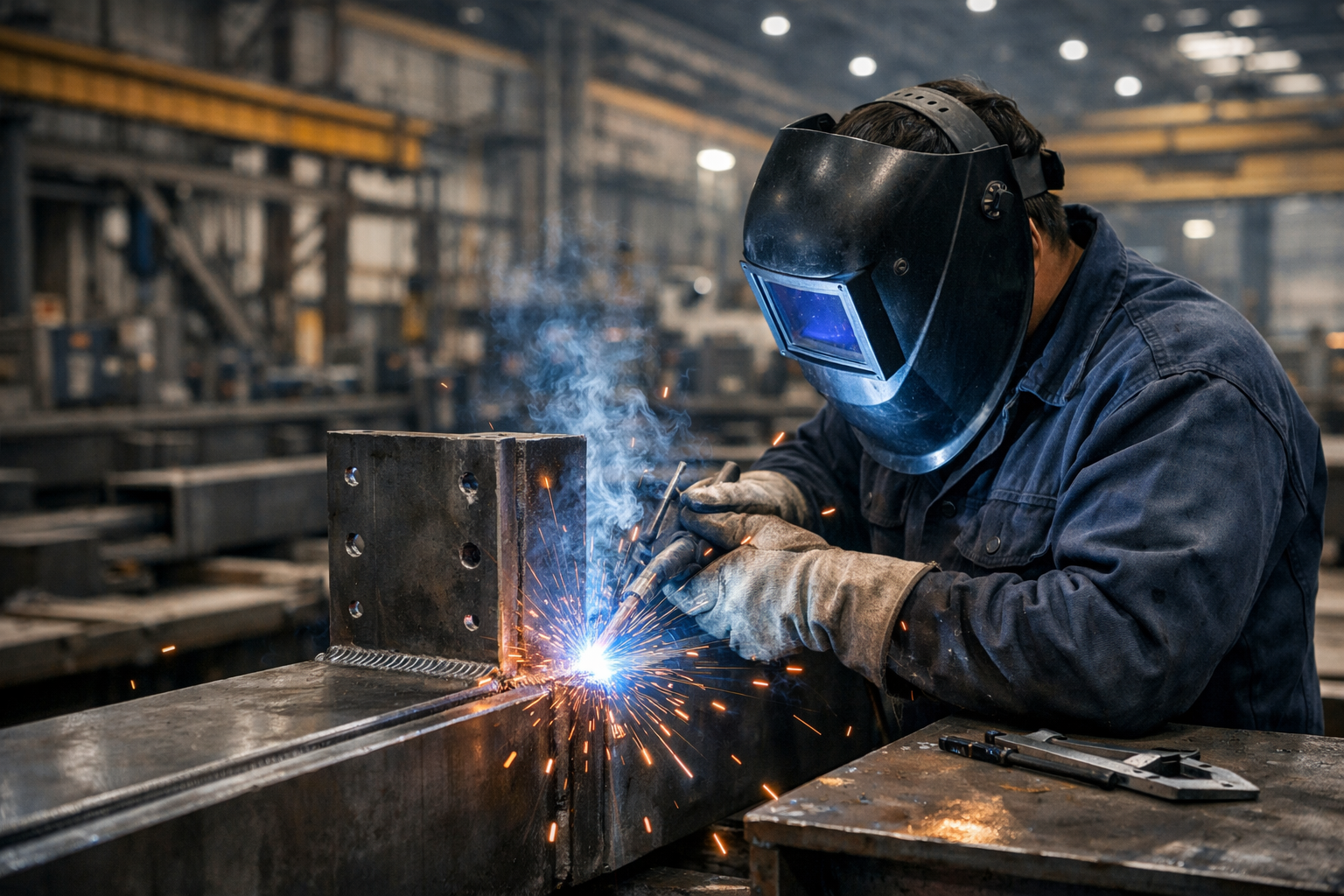
While Industry 4.0 brought significant advancements, Industry 5.0 aims to take it a step further by reintroducing the human touch in manufacturing. The focus is on collaboration between humans and machines, creating a more balanced and sustainable approach to production.
Difference Between Industry 4.0 and Industry 5.0
- Human-Centric Manufacturing: Industry 5.0 emphasizes the role of humans in manufacturing, where they work alongside robots and AI to enhance creativity and innovation.
- Sustainability: There is a strong focus on sustainable practices and reducing the environmental impact of manufacturing processes.
- Customization: Industry 5.0 prioritizes customization and personalization of products to meet individual customer needs.
The Role of AI and Robotics in Industry 5.0
AI and robotics are at the heart of Industry 5.0. These technologies are not only used for automation but also for creating intelligent systems that can learn and adapt to new situations.
AI in Industry 5.0
AI plays a crucial role in analyzing data, predicting trends, and optimizing manufacturing processes. It helps in decision-making and provides insights that can lead to improved efficiency and productivity.
Robotics in Industry 5.0
Robots in Industry 5.0 are designed to work alongside humans, enhancing their capabilities and allowing for more complex tasks to be performed. Collaborative robots, or “cobots,” are becoming more common, providing support in tasks that require precision and strength.
Future of Smart Factories
Smart factories are evolving with the integration of Industry 5.0 technologies. These factories are not just about automation; they focus on creating an environment where machines and humans can work together harmoniously.
Benefits of Industry 5.0 Manufacturing
- Enhanced Productivity: With AI and robotics, manufacturing processes become more efficient, reducing downtime and increasing output.
- Improved Quality: Human involvement ensures that the quality of products is maintained and improved.
- Sustainability: Smart factories implement sustainable practices, reducing waste and energy consumption.

by EqualStock (https://unsplash.com/@equalstock)
Sustainable Automation Trends
Industry 5.0 is driving the adoption of sustainable automation trends. Manufacturers are increasingly focusing on reducing their carbon footprint and implementing eco-friendly practices.
Key Trends in Sustainable Automation
- Energy Efficiency: Utilizing energy-efficient machines and processes to reduce power consumption.
- Circular Economy: Encouraging recycling and reuse of materials to minimize waste.
- Green Technologies: Implementing technologies that reduce environmental impact, such as renewable energy sources.
Digital Transformation in Industry 5.0
Digital transformation is a key component of Industry 5.0, as it involves integrating digital technologies into all aspects of manufacturing. This transformation is about more than just technology; it’s about creating a culture that embraces change and innovation.
Impact of Digital Transformation
- Increased Flexibility: Manufacturers can quickly adapt to changes in demand and market conditions.
- Data-Driven Decisions: Access to real-time data allows for informed decision-making and strategic planning.
- Enhanced Collaboration: Digital tools facilitate communication and collaboration between teams, suppliers, and customers.
Human-Centric Manufacturing
At the core of Industry 5.0 is the concept of human-centric manufacturing. This approach values the skills and creativity of human workers and emphasizes their role in the production process.
Benefits of Human-Centric Manufacturing
- Innovation: Human creativity leads to innovative solutions and product designs.
- Employee Satisfaction: Workers feel more valued and engaged when they play an active role in manufacturing.
- Safety: Collaboration with robots reduces the risk of injury in dangerous tasks.
Conclusion
Industry 5.0 represents a new era of manufacturing that balances technology with human creativity and sustainability. By embracing AI, robotics, and digital transformation, manufacturers can create smart factories that are efficient, sustainable, and human-centric. As we move forward, the future of industrial automation will be defined by collaboration, innovation, and a commitment to creating a better world.
By understanding the benefits of Industry 5.0 and the role of AI and robotics, businesses can prepare for this exciting future and remain competitive in a rapidly changing landscape. Whether it’s through sustainable practices or human-centric approaches, the future of industrial automation holds endless possibilities for growth and success.